
Immersive Interactive Experience Design Based on VR/AR/XR Technologies
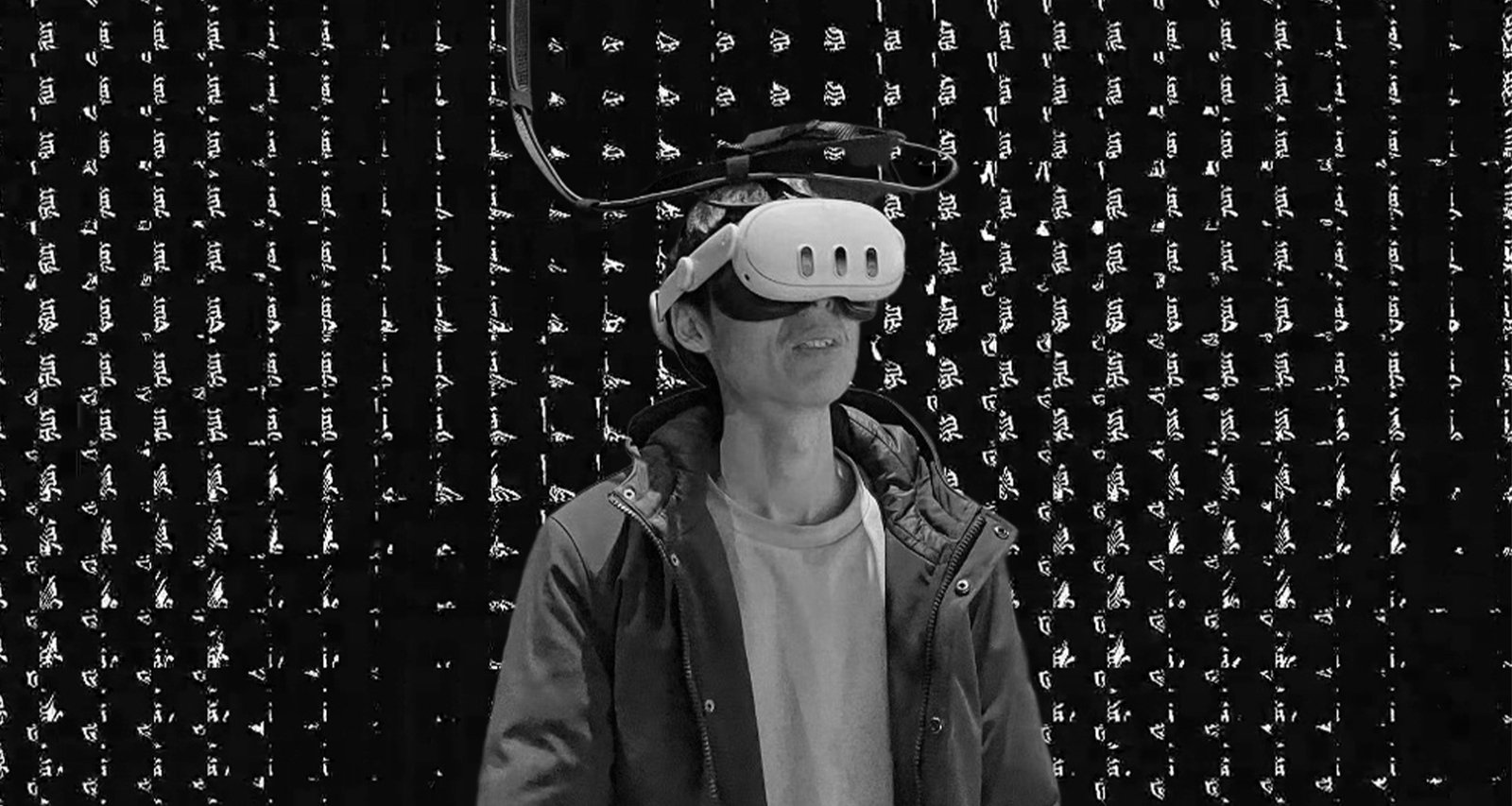
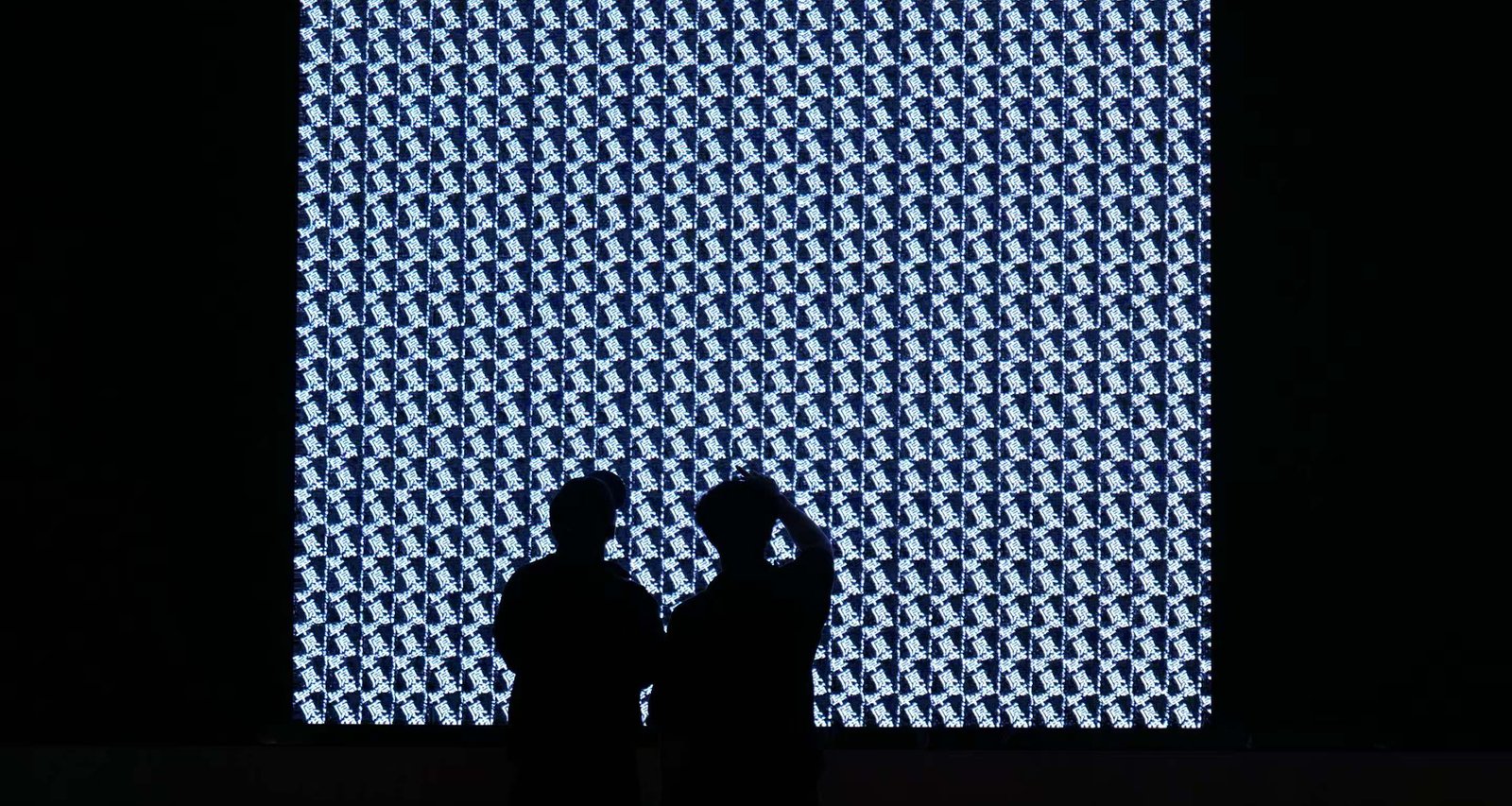
In the context of the rapid development of cutting-edge technologies like Virtual Reality (VR), Augmented Reality (AR), and Extended Reality (XR), I have been continuously advancing immersive interactive experience design that integrates art and technology. My research focuses on the deep integration of user engagement, sensory interaction, and spatial perception in the design process. My approach not only addresses technical implementation paths but also explores how immersive experiences can break traditional visual boundaries in design, fostering deeper interactions between the audience and the artwork from an artistic expression perspective.
In terms of practical application, I led the development of the 2018 “AR Ceramic Restoration” project, which combines AR technology with cultural heritage conservation principles to innovatively create a virtual restoration experience. Additionally, I designed and developed ARtype app, an interactive platform for children’s fun learning of Chinese characters based on AR technology. By combining AR technology with font art, this platform enables virtual artworks to be superimposed in real time onto real-world spaces, exploring the integration of art education and immersive technologies.
In international exhibitions and artistic practice, I have also been invited to participate in several significant international exhibitions, such as a personal new media AR interactive art exhibition at Dubai Design Week, the AR Multimedia Art Exhibition in Poland, and the Say Hi Art Exhibition in Switzerland. These exhibitions showcased my explorations in immersive visual storytelling and real-time interactive mechanisms. I also published the paper Innovative Practice of Poster Design under AR Technology in the core journal Packaging Engineering, systematically discussing the visual language transformation and media shift brought about by the integration of AR technology in graphic design. Furthermore, I published another article, How AI, VR and AR Reshape Visual Creation, which explores how Artificial Intelligence, Virtual Reality, and Augmented Reality redefine the boundaries of visual creation and drive new trends in artistic production.
In 2025, I was honored to serve as a visiting professor at the University of South Australia, while also being a member of the South Australian Interactive and Virtual Environment Research Centre (IVE), responsible for research on external collaborative projects. This position gave me the opportunity to further deepen my research in the fields of VR/AR/XR while promoting collaboration between academia and industry.
Through these research and creative projects, I aim to address a central question: In the evolving landscape of VR/AR/XR technologies, how can design leverage immersive technologies to reframe the relationships between people and space, people and media, and people and art? My goal is to transform immersive experiences from “visual innovation” to “cognitive transformation,” providing a multi-sensory, cross-media solution for contemporary design practices.
1: Books that can play videos—AR technology
This AR portfolio is designed for a designer’s solo exhibition, combining AR technology with book design. When viewers scan the book’s cover or inner pages with their smartphones, interactive effects are triggered. A screen appears on the paper, enriching the experience with audiovisual content, offering a more dynamic and comprehensive display. This provides readers with a fresh, immersive, and multi-dimensional sensory experience. Viewers can freely control video playback progress and screen size, ensuring a comfortable and unique reading experience.
2: AR technology restores broken porcelain
Try using AR technology to digitally restore and display cultural relics. With AR technology, broken porcelain can be “restored” and relevant information can be displayed intelligently. By using the AR camera feature on a mobile app, viewers can zoom in and out and rotate the porcelain 360°, allowing them to appreciate the artifact from all angles. In addition, they can observe details that are not visible in regular displays.
3:TypeAR—The Fun Chinese Character Learning App for Kids is now live!
The self-developed AR-based Chinese character learning app for kids, TypeAR, was launched in 2018 on the Baidu Mobile Assistant app store. We welcome everyone to download and experience it!
The TypeAR app includes features like AR coloring, AR games, puzzles, and photo sharing. Children can learn Chinese characters through fun and engaging games.