
2025 C-IDEA Educator Association First Phd Forum
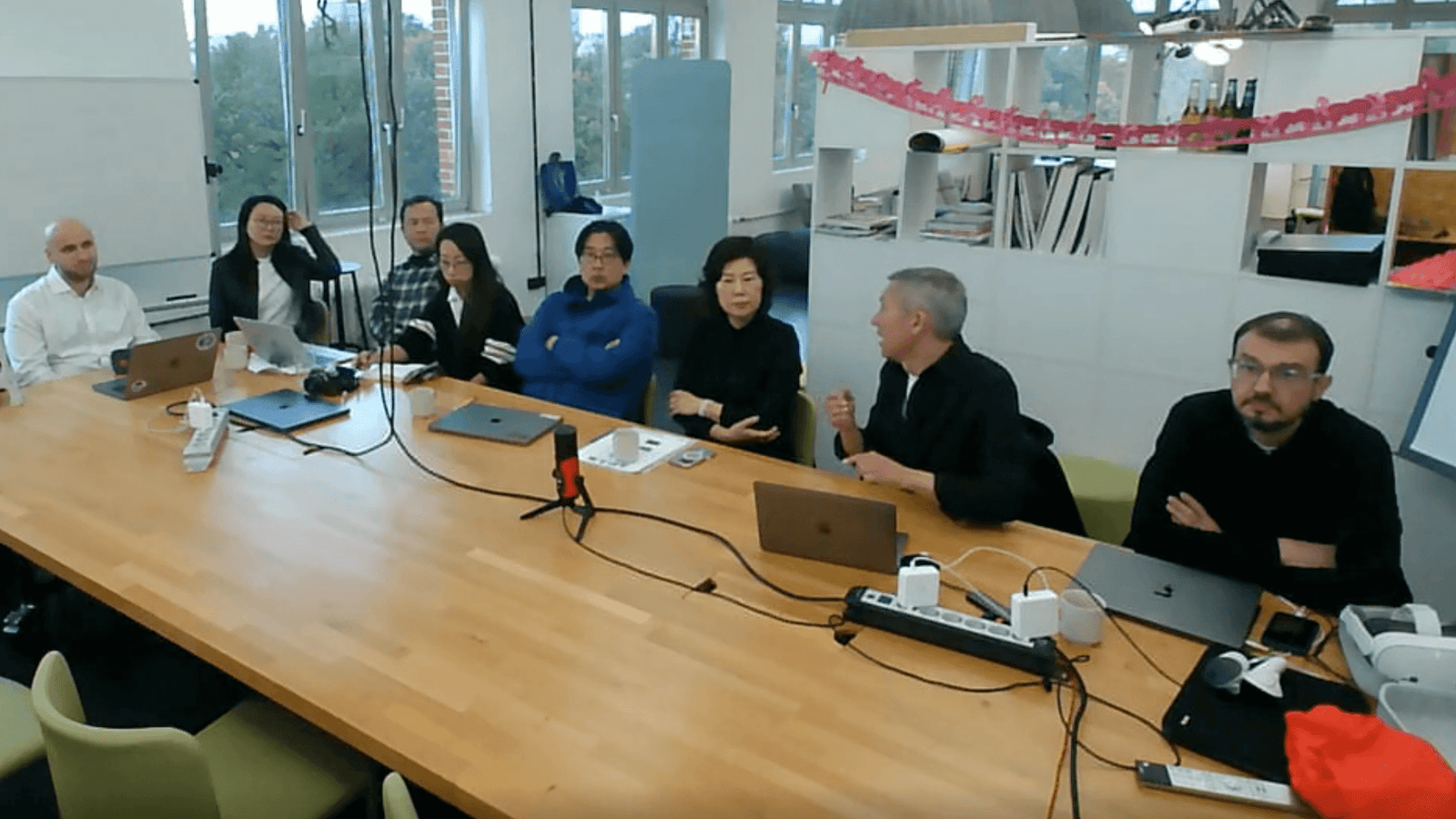
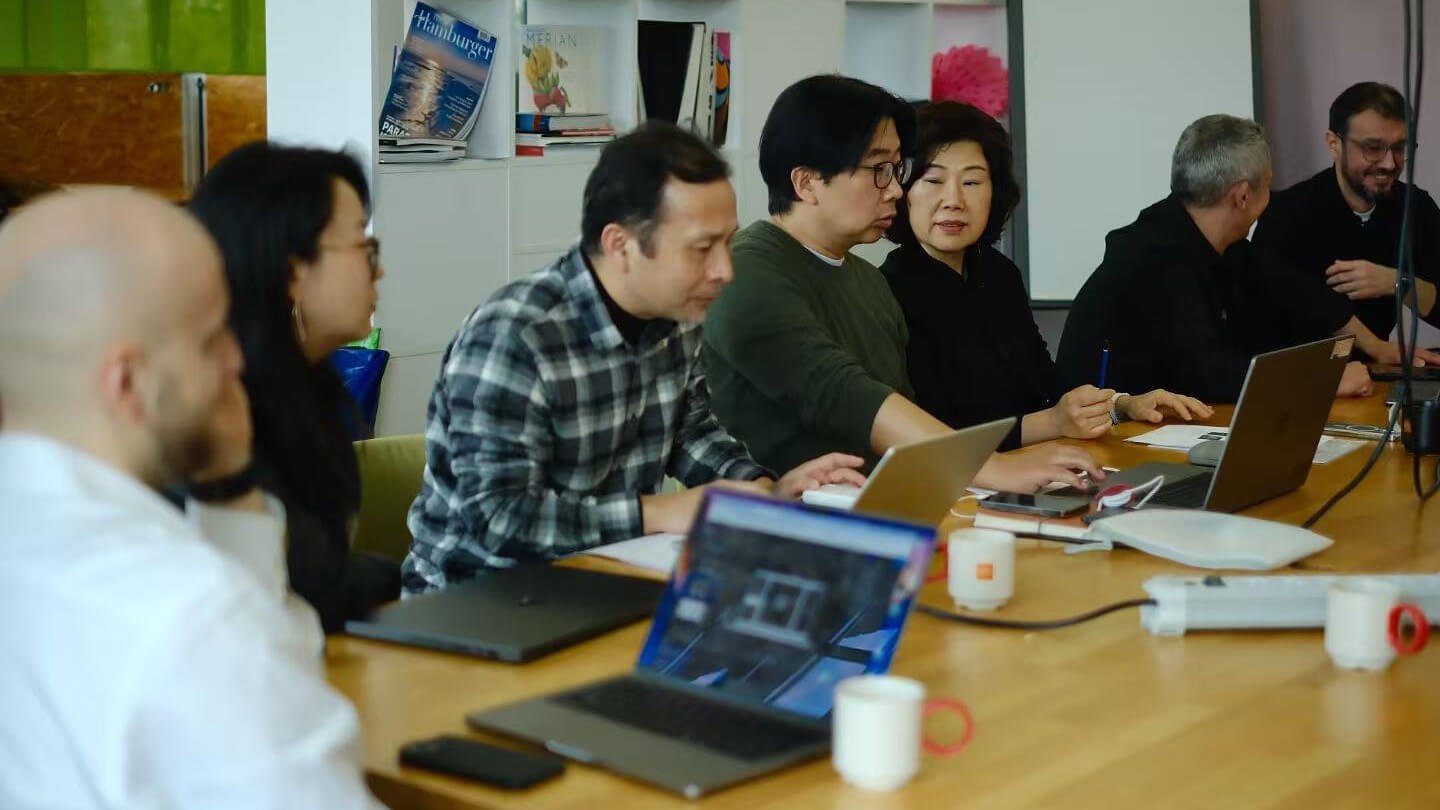
In 2025, the C-IDEA Association successfully held its first International Doctoral Forum, conducted in a hybrid online and offline format simultaneously at Miami Ad School Berlin (Germany) and Shih Chien University (Kaohsiung Campus, Taiwan, China). The forum was co-organized by the C-IDEA Association, Australia’s Interactive and Virtual Environment Research Centre (IVE), and Poland’s dsignn magazine, attracting active participation from scholars and researchers worldwide.
The forum was co-chaired by David Blaiklock, Li Xu, and Chang Fangpang, with an international review panel consisting of eight members: Professor Ning Gu from the University of South Australia, Professor Robert Jundo from the Strzemiński Academy of Art Łódź (Poland), Professor Hyungjoo A. Kim from Purdue University (USA), Professor Andreas Ken Lanig (Head of the Department of Design and Media) from North Hessia University of Applied Sciences (Germany), Professor Lisa Winstanley from Nanyang Technological University (Singapore), Professor Jiang Jie from Nanjing University of the Arts (China), Professor Anna Rita Emili from the School of Architecture and Design “E. Vittoria” at the University of Camerino (Italy), and Dr. Anna Kłos, Director of the WIT & Retroavangarda Gallery (Poland). Through rigorous preliminary academic review by the forum’s evaluation committee, the paper collection and review process was completed, resulting in the initial selection of 21 papers.
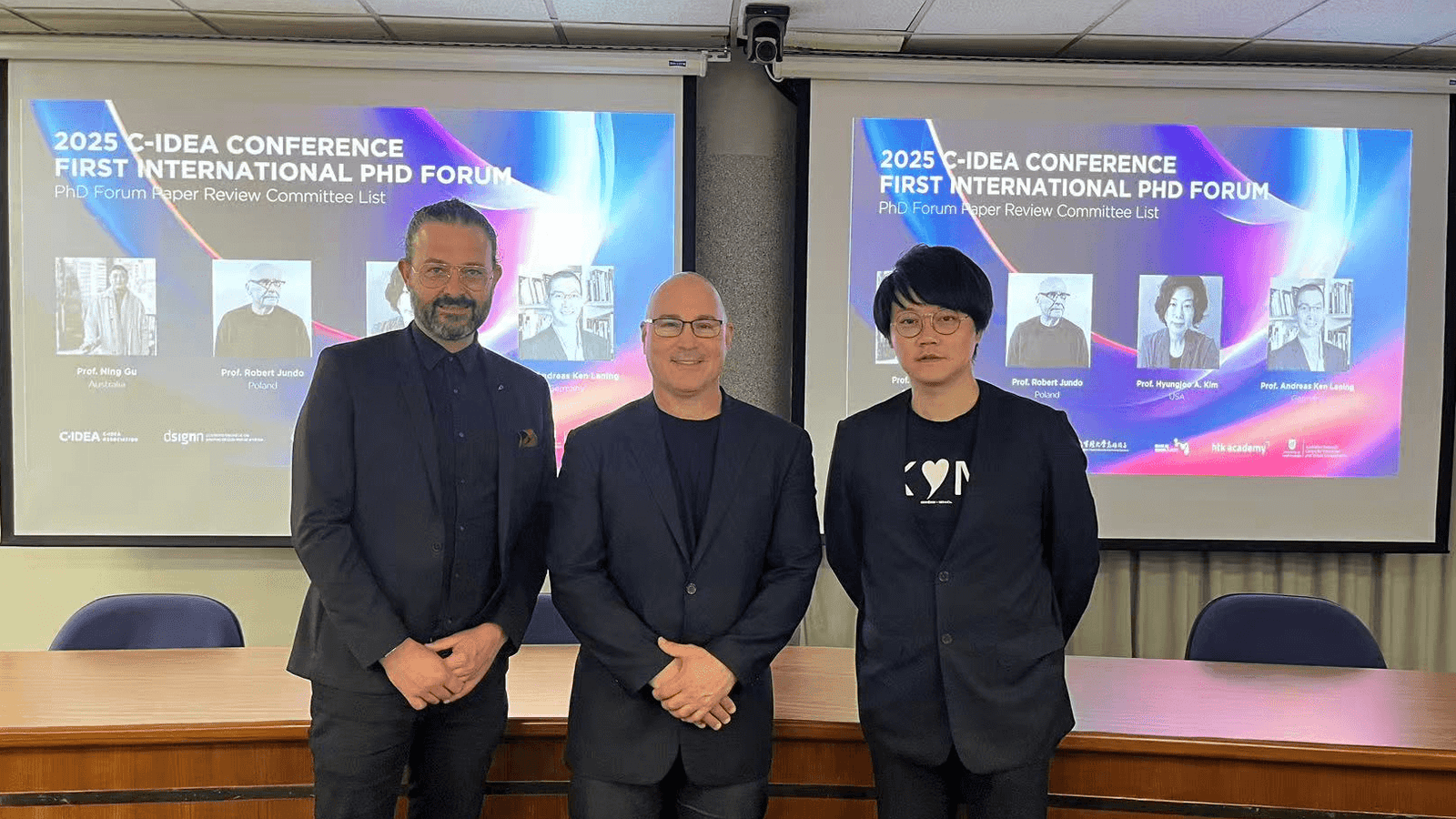
Chaired by Professor Ning Gu from the Adelaide University, the forum featured a review panel including C-IDEA Association Chair David Blaiklock and Director Dan McLean from the University of South Australia. Doctoral presenters (listed in no particular order) included:

Menghe Tian
Donghua University, China
Gifts in Symbolic Networks: Information Visualization and Visual Storytelling of Ming-Dynasty Clothing Exchange
This research analyzes clothing gift exchanges in Ming dynasty novels using information visualization. It constructs Sankey diagrams to reveal social hierarchies and symbolic patterns, demonstrating how specific garments expressed power, sincerity, and social relations in historical Chinese material culture.

Giorgi Gagoshidze
Tbilisi State Academy of Arts, Georgia
Contemporary Technologies in Street Art
This thesis explores integrating technologies like Machine Learning and Augmented Reality into street art. It examines how these tools can enhance social commentary, foster public engagement, overcome censorship, and digitally preserve ephemeral artworks, transforming street art into an immersive platform for cultural dialogue.

Arpita Pradhan
Government College of Art and Craft, Calcutta. India
Reviving Tradition: Influence of Patachitra style in Advertising and Brand
Storytelling
This research explores how Indian Patachitra’s distinctive visual traits and cultural value can be leveraged in branding to connect with consumers. It highlights the art’s storytelling capacity to create emotional resonance with target audiences, affirming its continued impact in modern marketing contexts.

Yimeng Shi
Donghua University, China
The Fusion of Tradition and Modern Visual Design: AI-Driven Transformation of Ming Dynasty Scholar attire
This research explores how Indian Patachitra’s distinctive visual traits and cultural value can be leveraged in branding to connect with consumers. It highlights the art’s storytelling capacity to create emotional resonance with target audiences, affirming its continued impact in modern marketing contexts.

Heng Li
Gengdan Institute of Beijing University of Technology, China
An exploration into the feasibility of spatiotemporal attributes of VR audio-visual content intervening in healing
This paper explores using VR technology for healing, analyzing its spatiotemporal attributes’ impact on cognition and emotion. It discusses VR’s potential for creating therapeutic spaces and personalized treatment, while noting challenges like cost and the need for more clinical studies.

Katharina Diem
Tbilisi State Academy of Arts, Georgia
Sacred Geometry and the Art of Union: Reimagining Duality through Experimental Media
This project reimagines duality through sacred geometry and experimental media. Viewing geometry as a cosmic code, it creates typographic visualizations of Yin and Yang energies, exploring how polarities interact to generate form and meaning, positioning design as a cosmological practice.

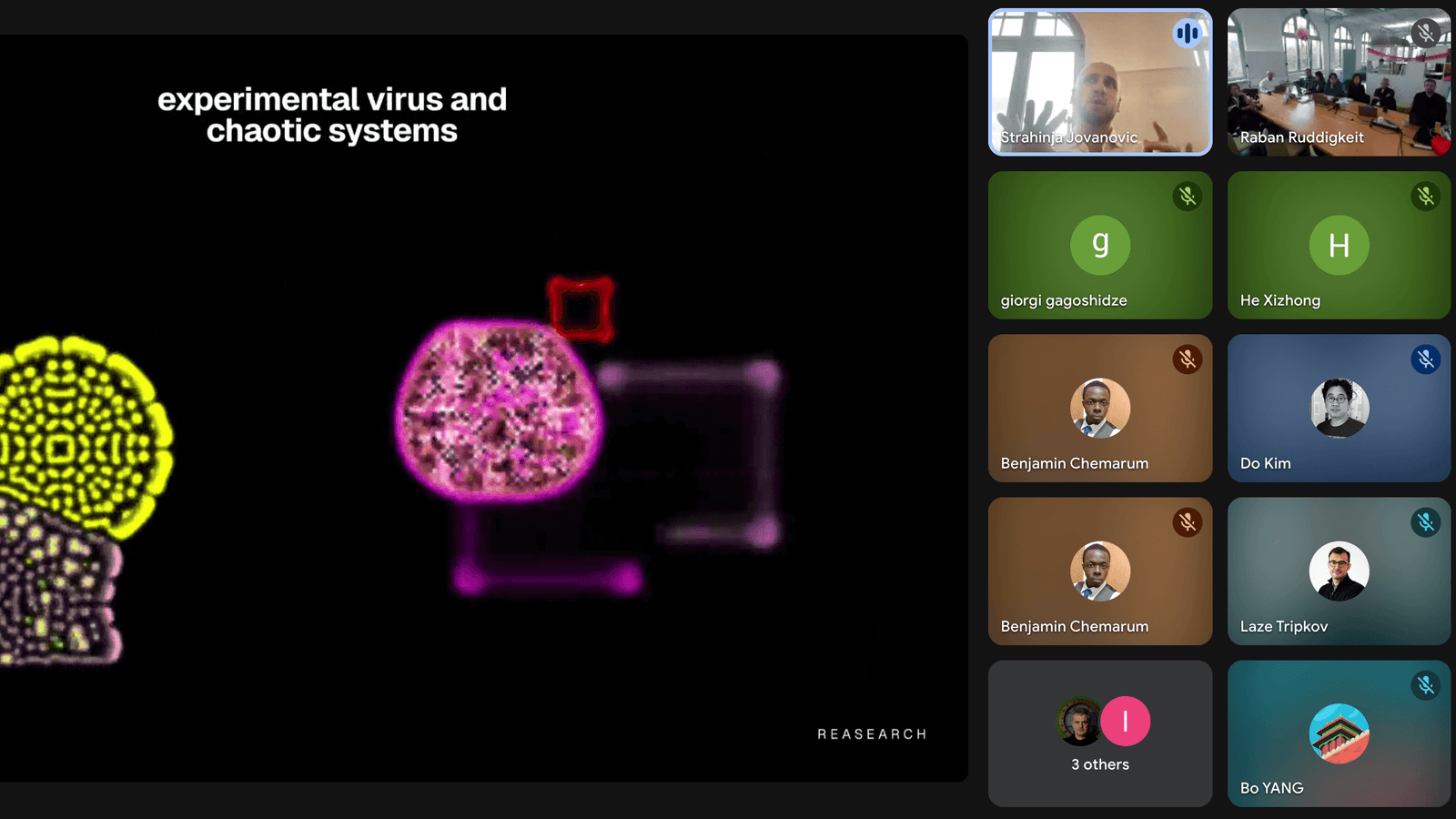
Strahinja Jovanovic
Academy of Fine Arts and Design, Ljubljana, Slovenia
Fussil Design, Cellular automation of cohesion between nature and algorithms
This research investigates cellular automata and their influence on design. It develops a new tool called “fussils” through creative programming, generating patterns and artifacts that merge nature and algorithms, contributing to new visual systems and future design processes.

Zhang Meng
Tongmyong University, South Korea
The Integration and Development of Pop Art Elements in Modern Graphic Design
This paper examines the integration of Pop Art into modern graphic design. It analyzes how Pop Art’s visual expressions, utilizing new media and mixed materials, have been applied across posters, advertising, packaging, and interdisciplinary fields, profoundly influencing contemporary visual language.

BI Lyu
China Academy of Arts,China
Articulating ‘Life-state’ Scenarios in the Context of the Hangzhou Asian Games
Using the Hangzhou Asian Games as a case study, this article explores how major sporting events construct urban ‘life-state’ scenarios. It examines the role of visual symbols and cultural participation in shaping a distinctive urban aesthetic that connects local identity with global communities.

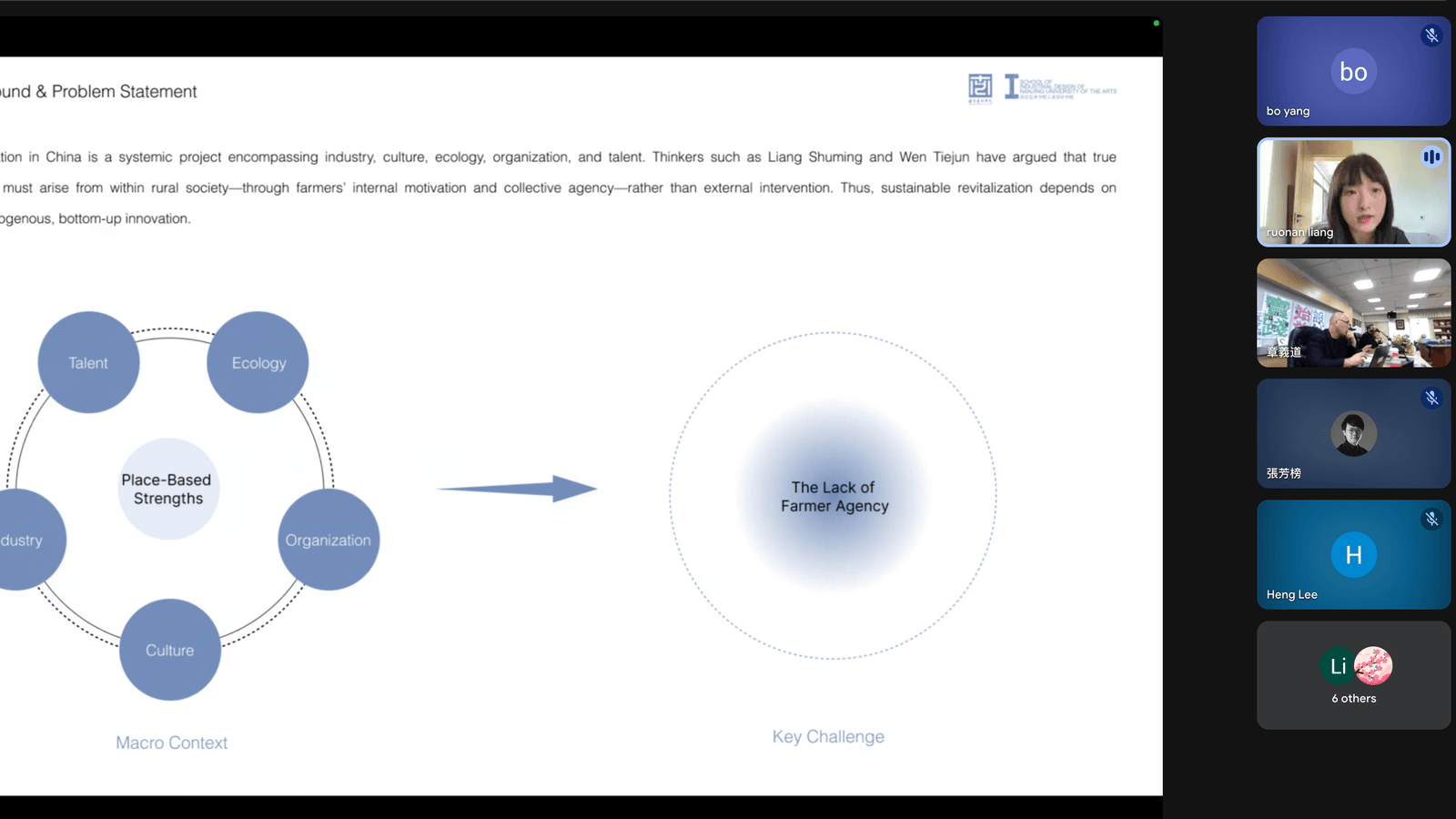
Liang Ruonan
Nanjing University of the Arts, China
Fostering Farmer Agency through Co-Design: A Study on Social Innovation for Rural Revitalization in China
This research investigates a “farmer + designer” co-design pathway for rural revitalization in China. Guided by principles of using local resources, it explores how enhancing farmer agency can drive social innovation across industry, culture, ecology, talent, and organization.
Alexander Asatiani
Tbilisi State Academy of Arts, Georgia
Visual, Interactive Narrative in Education: An Evaluation Instrument for Electronic Learning Resources
This dissertation develops a hybrid evaluation model for primary education digital resources. The framework assesses Pedagogical Value, Design, Interaction/Gamification, and UX, providing a holistic instrument to improve the quality and integration of technology in Georgian education.

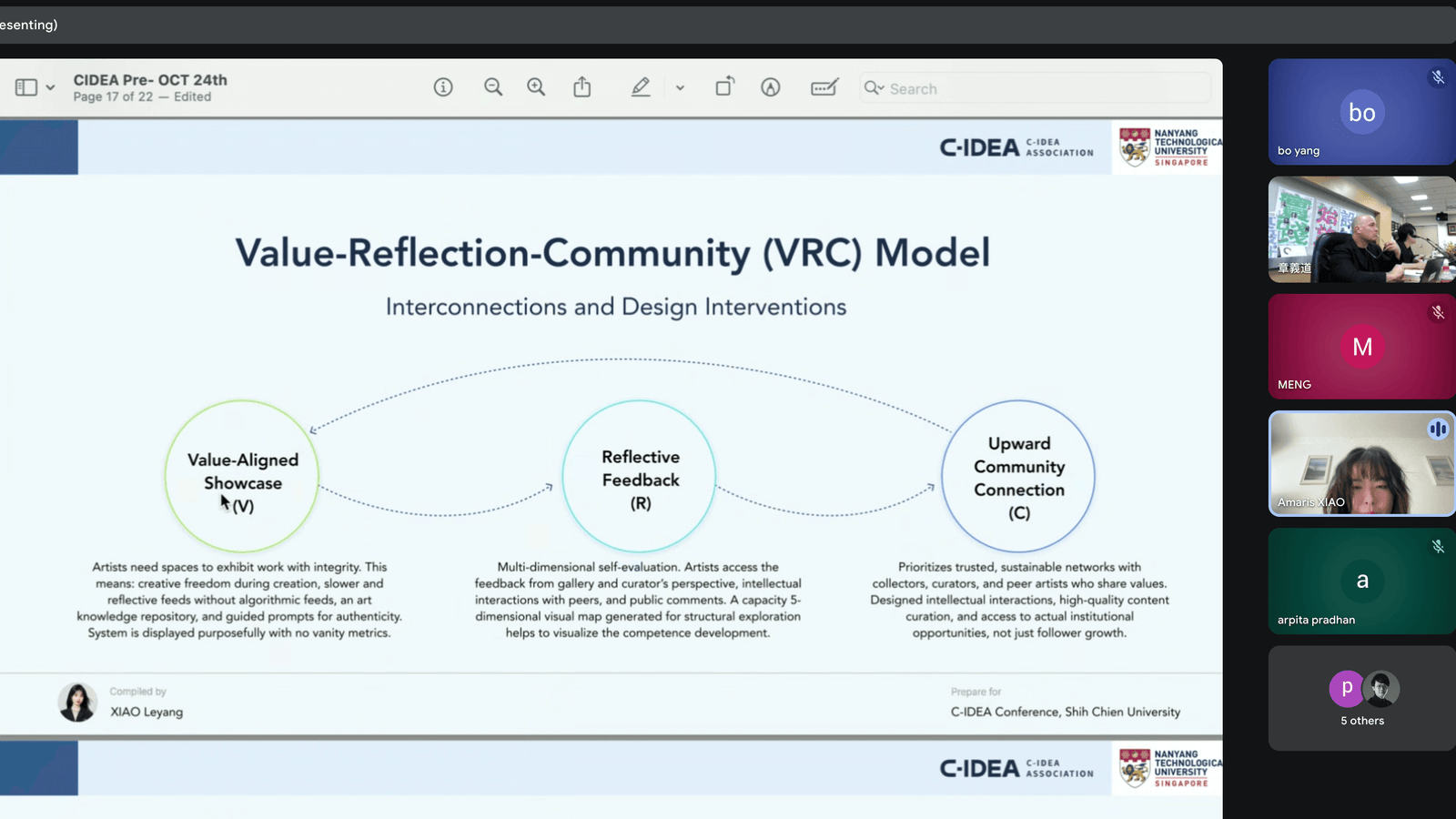
Leyang Xiao
Nanyang Technological University, Singapore
Ethical UX Beyond Virality: A Study of Ethical Persuasion in Community-Centric Platforms for Early-Career Craft Artists in Comparative UK and China Contexts
This study addresses platform-induced stress on early-career craft artists. Proposing an ‘ethical-persuasion, loyalty-driven’ UX framework, it aims to create digital spaces prioritizing narrative and community over algorithmic virality, based on a comparative UK-China socio-cultural analysis.
Liu Jia
Guangxi Arts University, China
Intelligent Art Education: A Preliminary Analysis of AI-Driven Heritage Transmission for Ethnic Cultural Legacies
This paper explores how AI can promote the preservation and transmission of ethnic cultural heritage. It proposes strategies like establishing cultural databases and AI-based educational platforms, discussing AI’s applications and challenges in art education and curriculum reform.
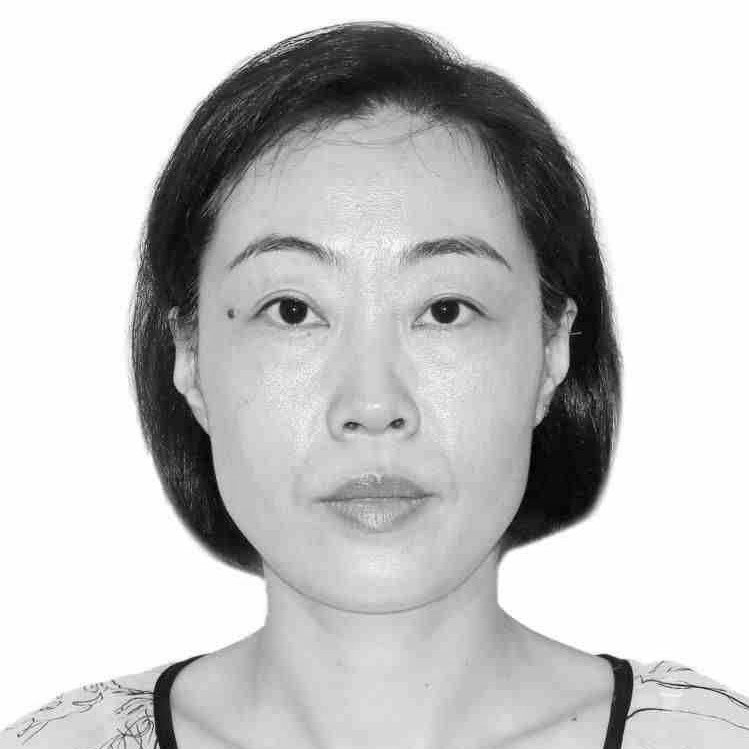
Mei Xiaoxue
Fujian Jiangxia University, China
The Ontological Shift from Chinoiserie to Chinese Narratives A Paradigm of Cultural Authenticity in Global Design
This study distinguishes Western “Chinoiserie” from contemporary “Chinese Narratives.” It argues the latter achieves “shensi” (spiritual resonance) by deeply engaging with traditional Chinese design philosophy, representing a paradigm shift towards authentic cultural expression in global collaborative frameworks.
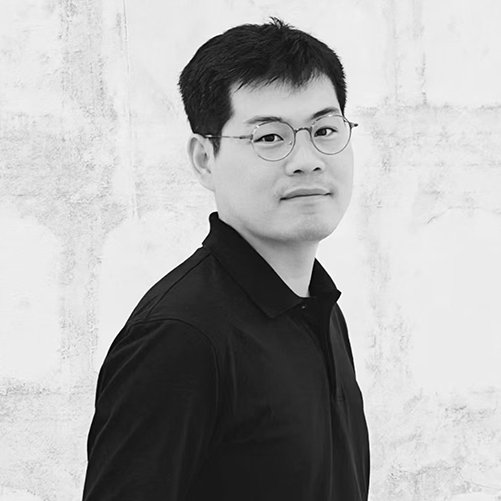
Bo Yang
Gengdan Institute of Beijing University of Technology, China
Culture-semantic-driven framework for digital reconstruction of cultural heritage — a case study on the forbidden city’s corner tower
Critiquing the purely technical “digital twin” approach, this paper proposes a “Culturally-Semantic-Driven Digital Reconstruction” method. Using an “Art-Led Dual-Track Framework,” it integrates parametric modeling with artistic interpretation for a more ethical and narrative-rich engagement with heritage, exemplified by the Forbidden City.

Benjamin Chemarum
University of Belgrade, Serbia
The role of artificial intelligence in landscape architectural biomimicry
This paper explores AI’s role in landscape architectural biomimicry. Using the Nano Banana tool, it demonstrates how AI-assisted visualization can rapidly generate designs like a sunflower-inspired shading structure, enhancing creativity and precision in developing climate-resilient, biomimetic solutions.

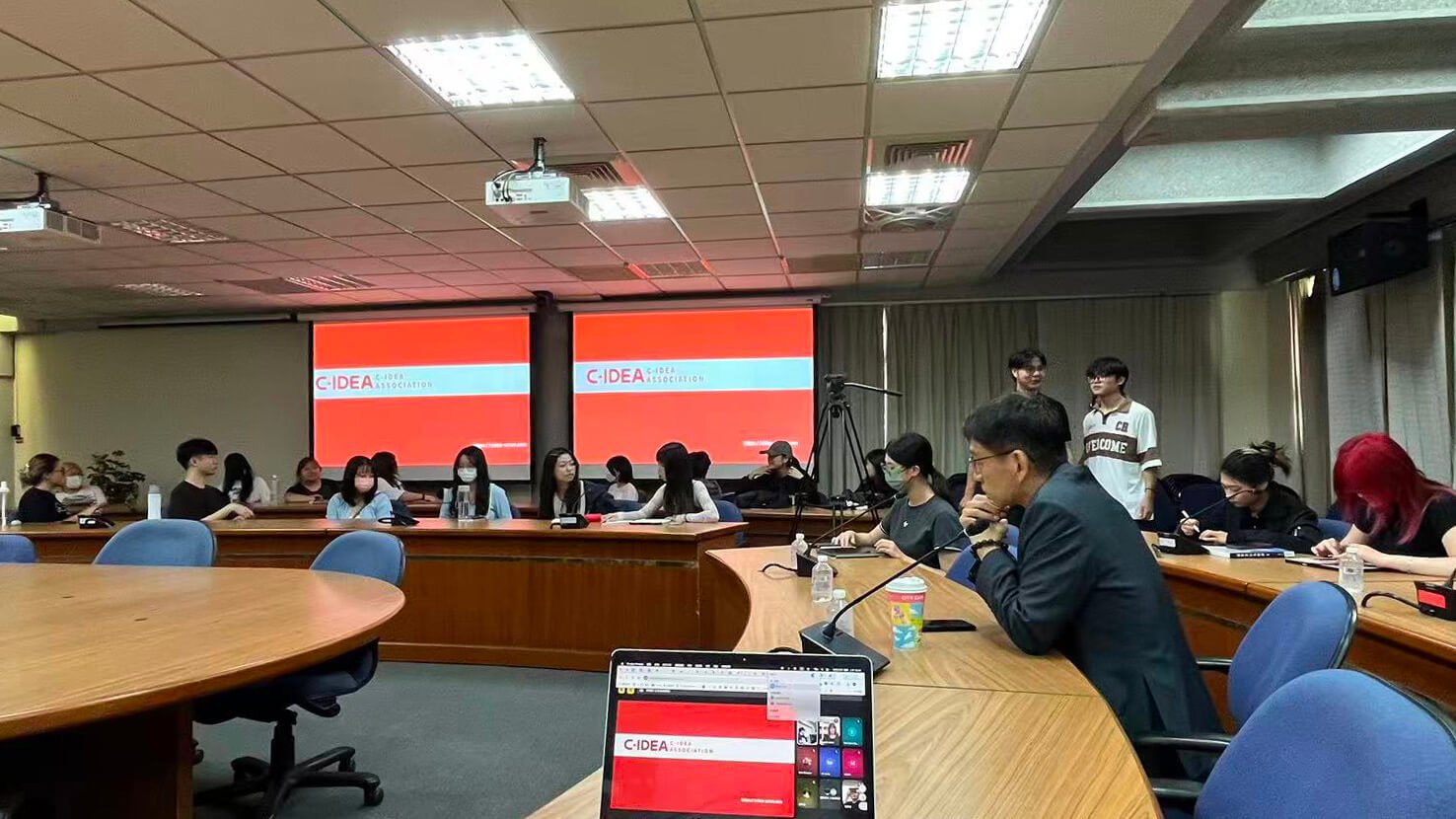
The C-IDEA International Doctoral Forum brought together doctoral candidates and young scholars from 15 institutions across seven countries, including China, Slovenia, Georgia, Serbia, India, and Singapore, who presented their research findings both online and on-site. The forum papers covered three cutting-edge fields: Artificial Intelligence and Design, Digitalization of Cultural Heritage, and Social Innovation Design.
1. In the realm of “technology and tradition integration”, scholars employed digital technologies such as AI image generation and cellular automata algorithms to conduct cross-temporal analyses of Ming dynasty clothing symbols and street art creation, establishing methodological frameworks for the visual reconstruction of cultural semantics.
2. Research in “social innovation” focused on design empowerment, exploring how co-design can drive rural revitalization, develop models for fostering farmer agency, and create ethically-guided UX design frameworks for early-career craft practitioners.
3. The field of “cultural identity construction” featured multidimensional explorations, ranging from urban image-building for the Hangzhou Asian Games to comparative studies of Eastern and Western narrative paradigms, deepening the philosophical discourse on local design within a global context.

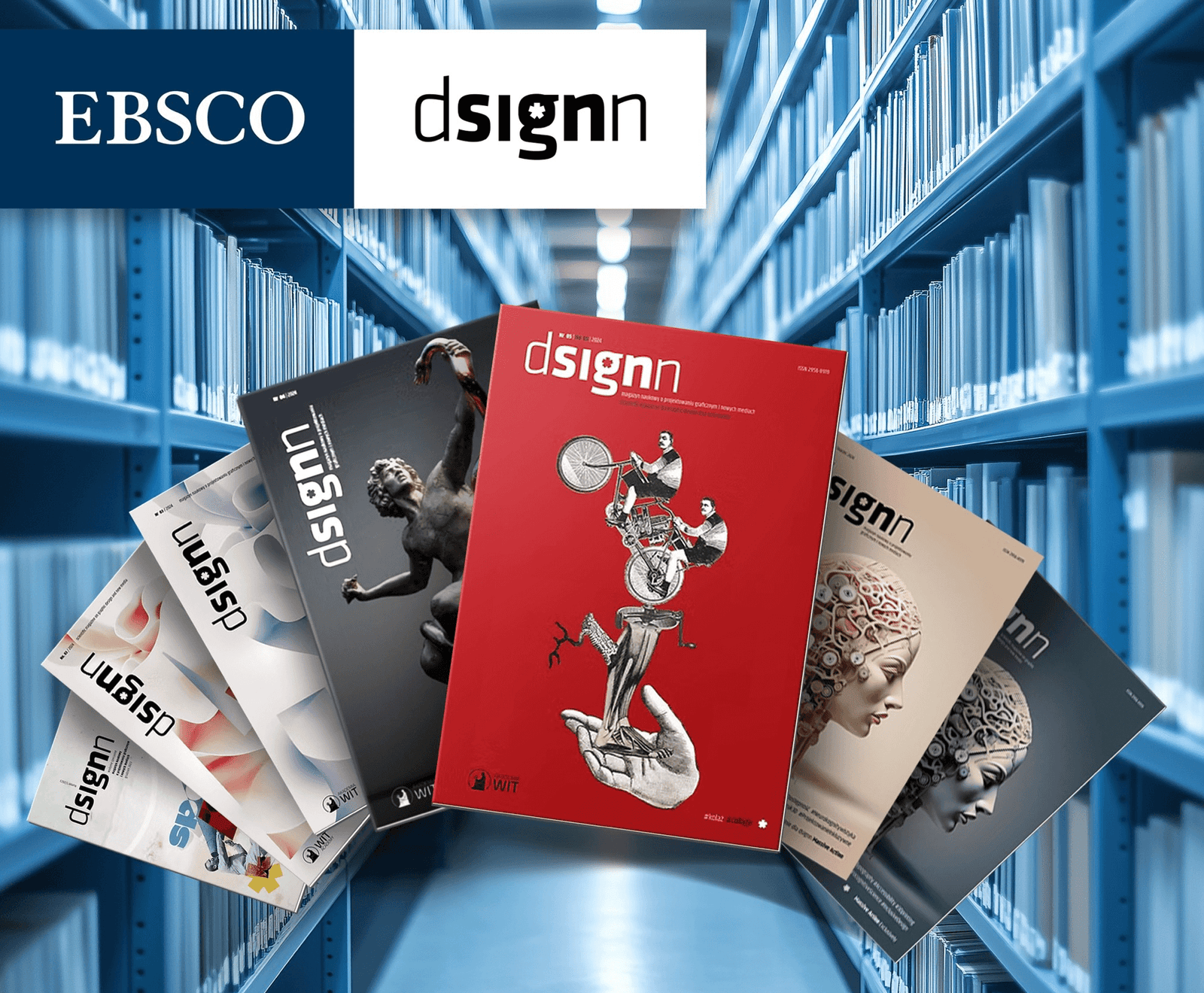
The academic papers presented at this Phdl Forum will be formally published in the Polish authoritative journal *dsignn* after a rigorous selection process. Published by the WIT College in Warsaw, Poland, *dsignn* specializes in the intersection of science and artistic design and has been indexed by the internationally renowned EBSCO academic database. As an international scholarly platform in the design field, “dsignn” is committed to enabling global design professionals to share practical achievements, publish research papers, and exchange innovative ideas, thereby providing a high-quality dissemination channel and academic endorsement for the research outcomes of this forum.

News
Resources
Newsletters
Acknowledgments
Address
Kaurna building, corner of Fenn place and Hindley st, Adelaide, South Australia 5000
cideaassociation@hotmail.com
cidea-union@hotmail.com