Hidden Graphics
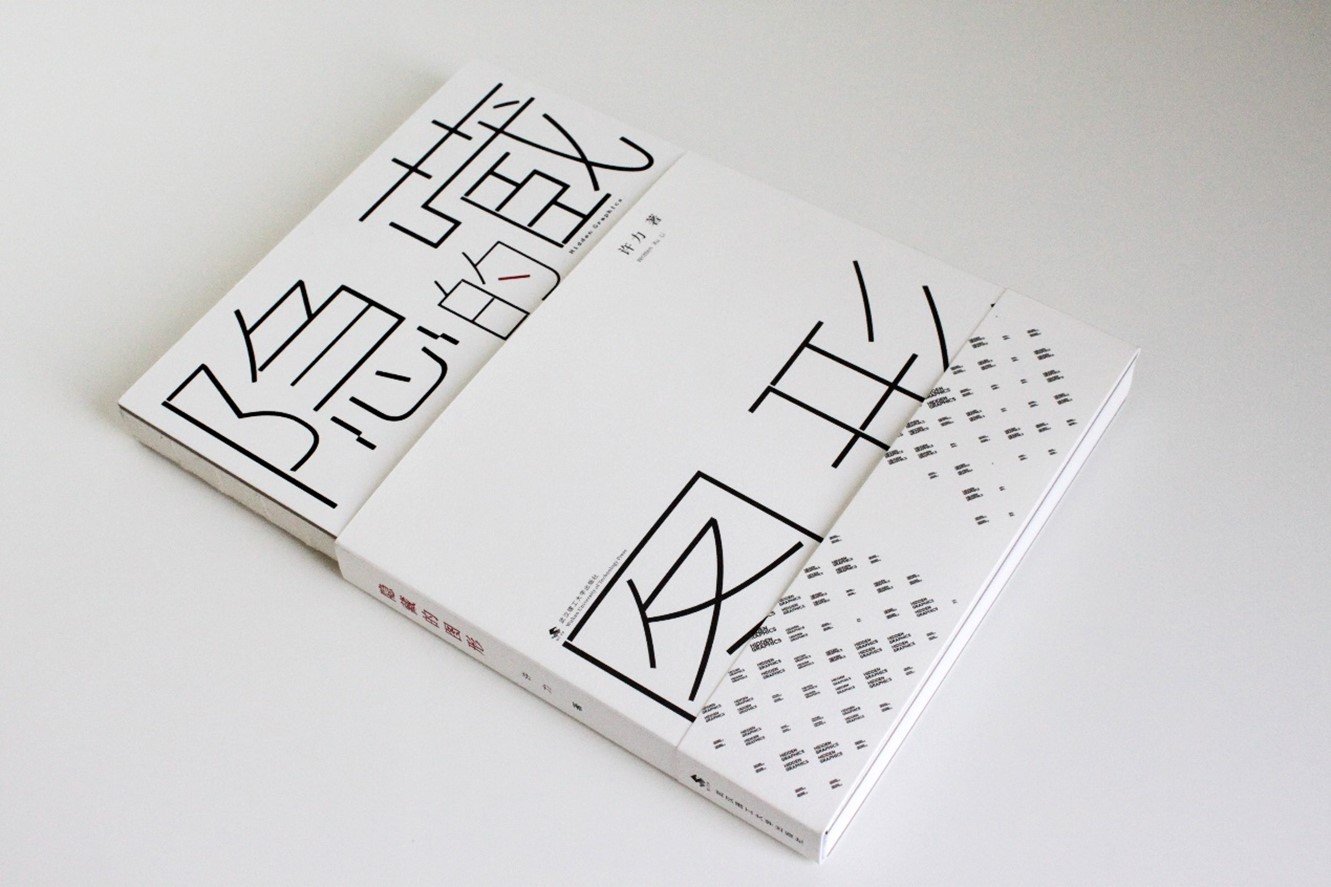
For a long time, Li Xu have been exploring various possibilities about the visual expression of graphics. The hidden graphic is an interesting visual phenomenon that Li Xu found in the process of graphics exploration practice. Li Xu designed hidden graphics works that include graphic works .installations and dynamic and interactive works. Li Xu put forward the research ideas of spatiotemporal dimension thinking in plane, space and time dimensions, and exploring the manifestations of “hidden graphics” layer-by-layer from the three levels of two-dimensional, three-dimensional, and four-dimensional….
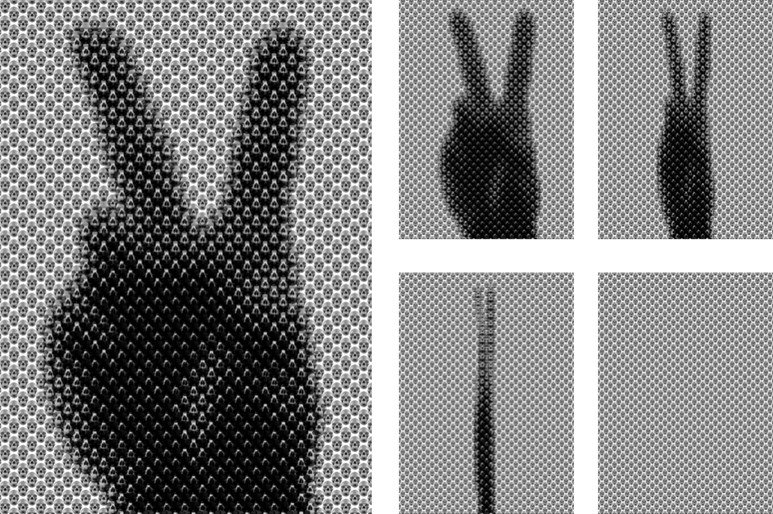
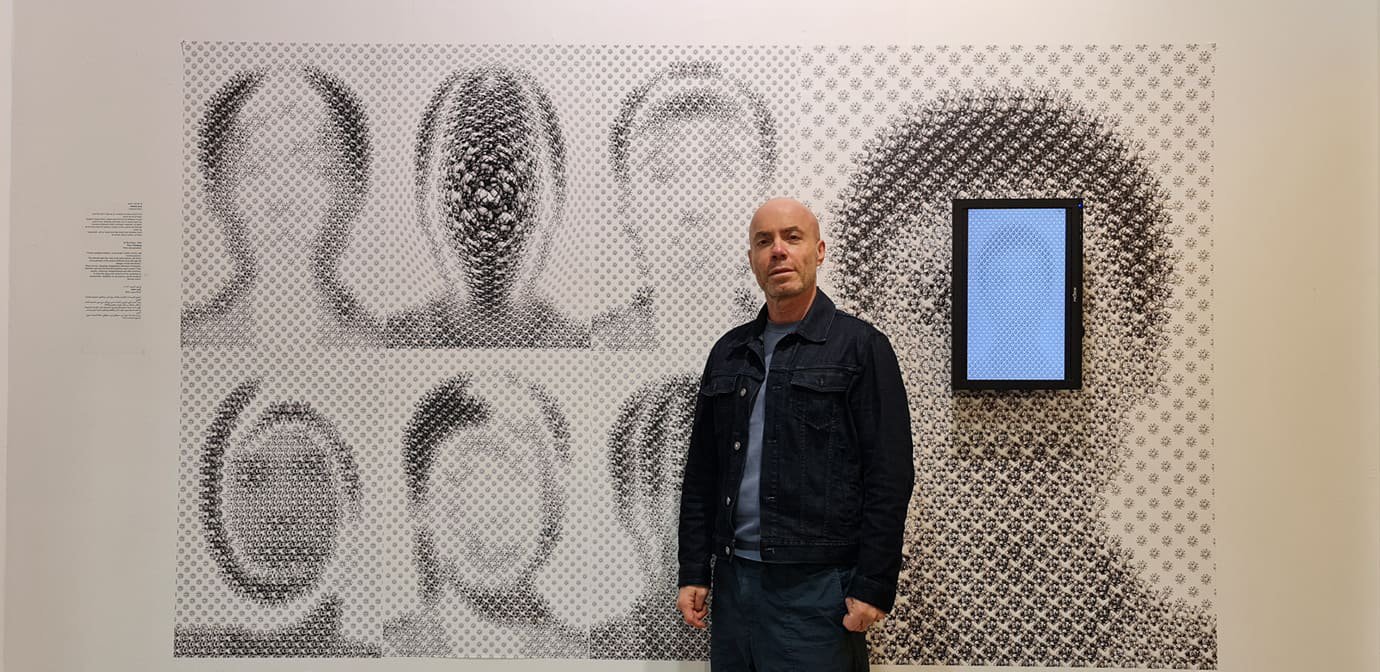
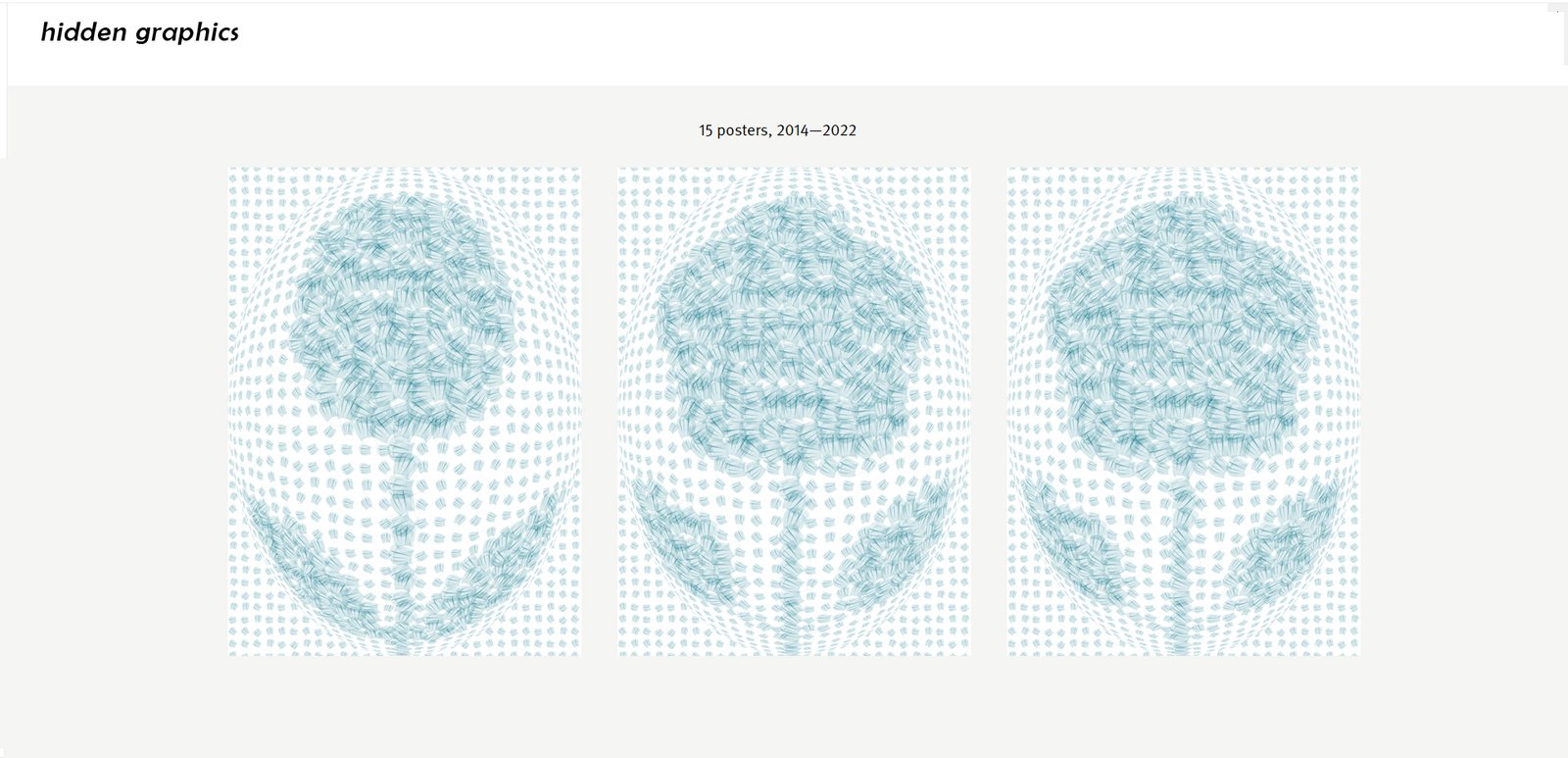
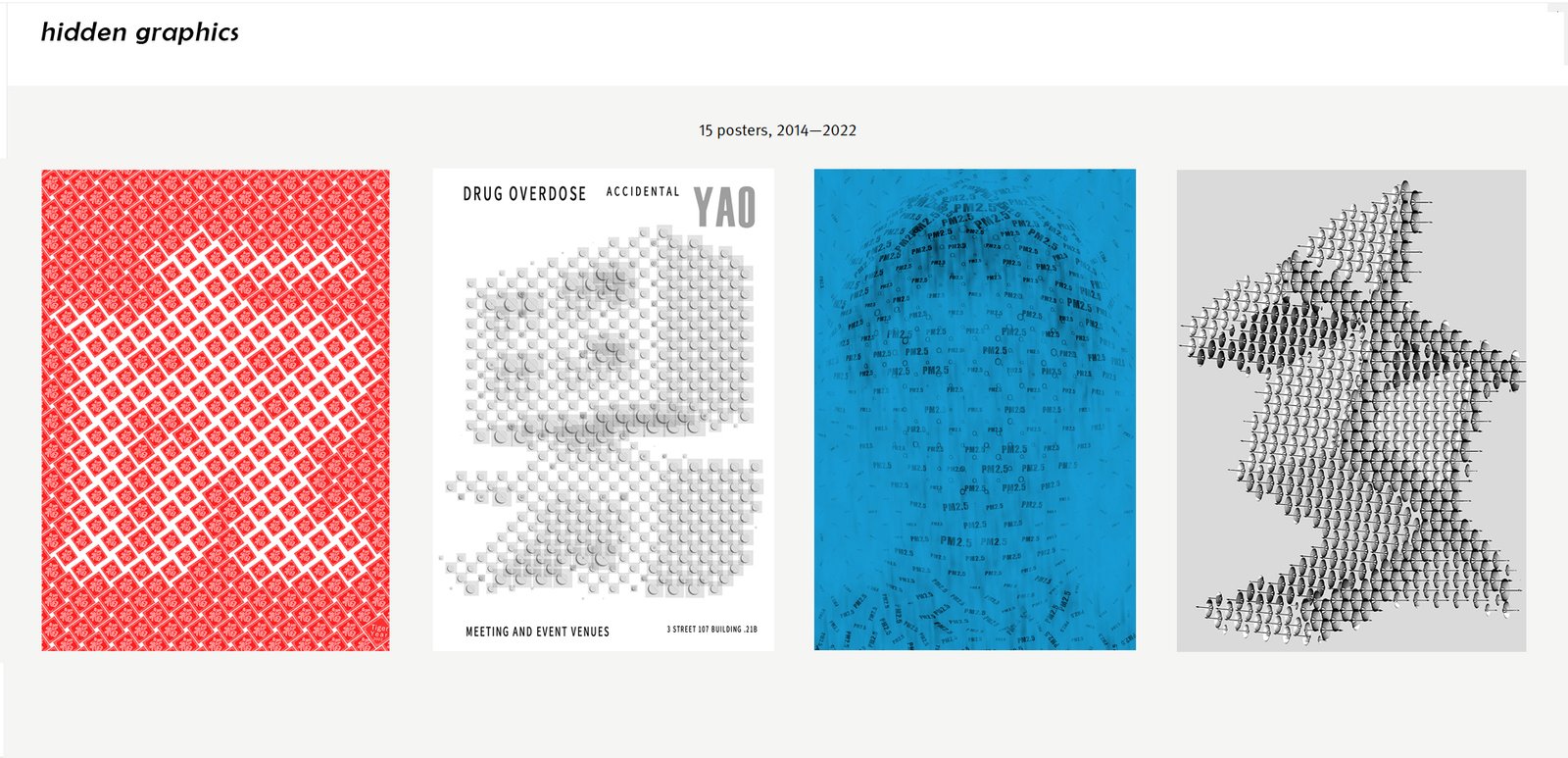
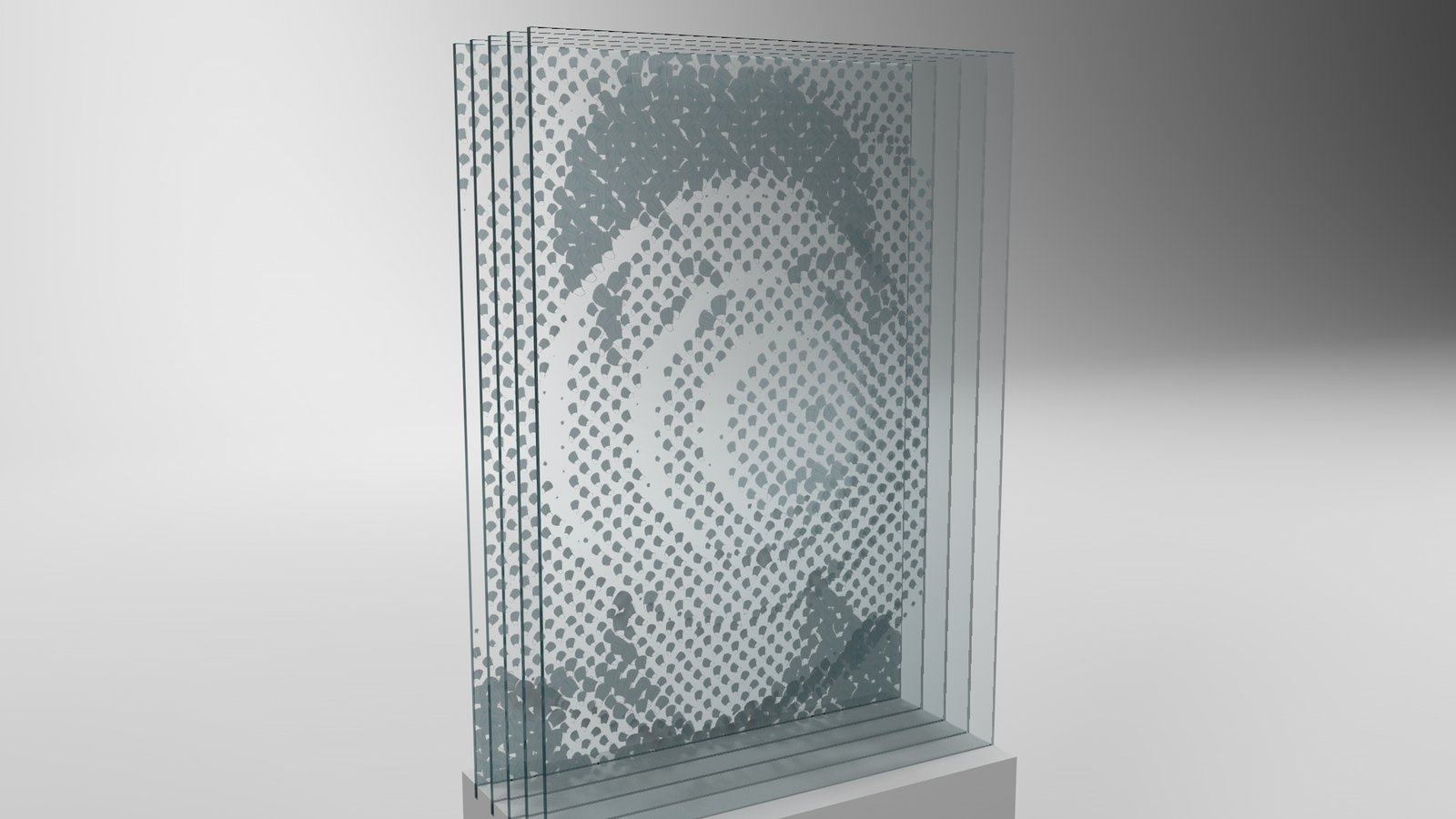
The expression technique of the hidden graphic involves multiplying and moving the basic shape as a point. By varying the density, size, direction, position, and light and shade of the basic shape, a dot matrix arrangement is created, generating two or more shapes of different sizes. The regular changes in the dot matrix arrangement generate a sense of rhythm and movement in the image, enabling different visual effects of the shapes to emerge when viewed up close or from a distance. Viewers can uncover the hidden graphics by exploring the relationship between the whole and the parts of the image, using “visual rules” to derive the whole from the parts and observe the parts from the whole, thus capturing graphic information that is not easily seen. The “hidden” nature of the graphic stimulates the viewer’s thought process and actively engages their imagination. The concealment of the graphic offers the pleasure of discovery and provides access to more information. This hidden aspect disrupts the inherent form of the graphic, allowing one or even multiple graphics to coexist simultaneously. Through the “mutual concealment” between the graphics, a fantastical visual experience is produced. This unique visual effect stimulates the viewer’s senses, triggers positive thinking, ignites imagination, and results in a pleasurable artistic experience. Additionally, it enhances the artistic appeal of the graphic, reinforcing the thematic characteristics we wish to emphasize and generating new meaning.
Two-Dimensional — Plane
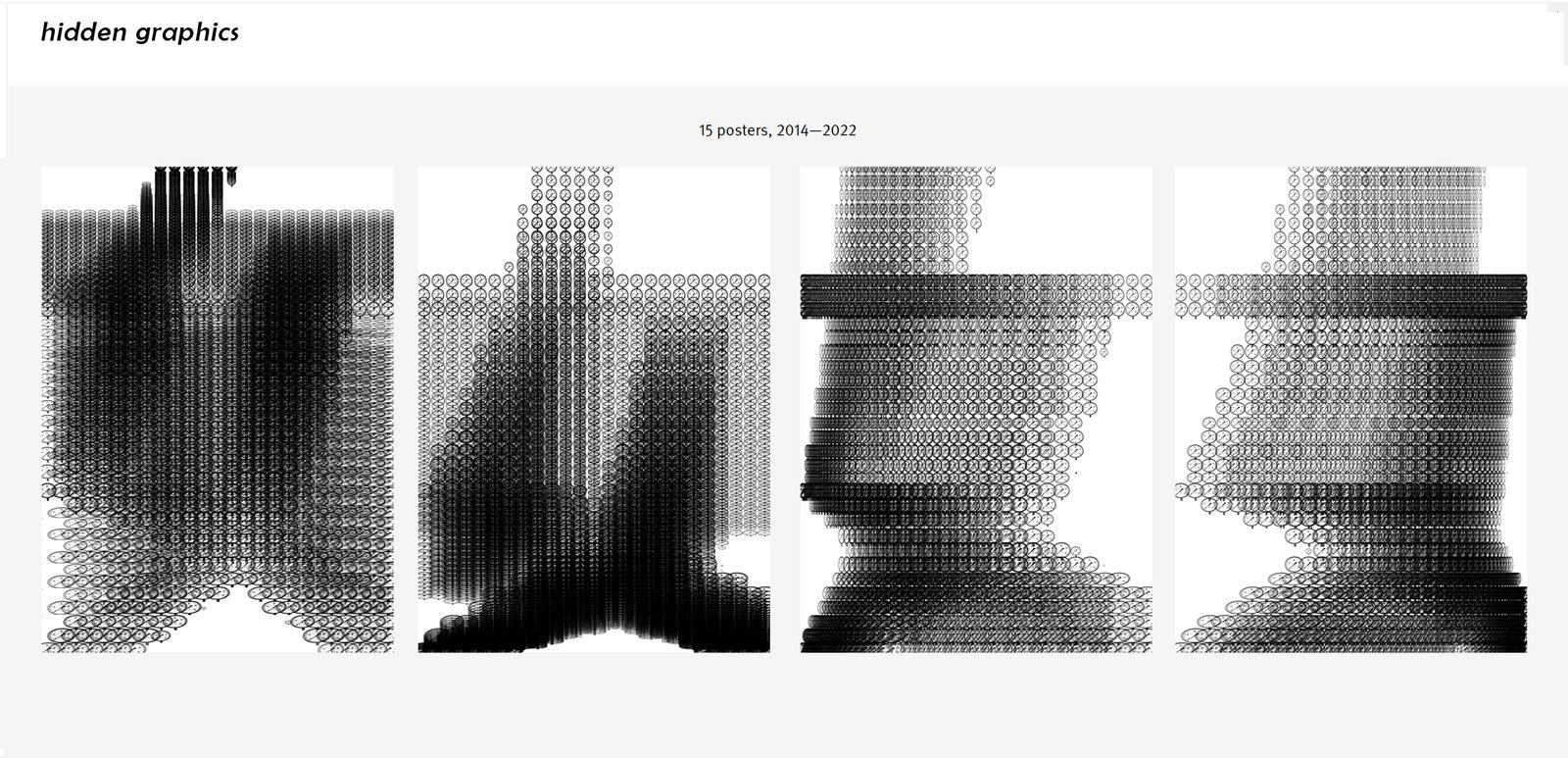
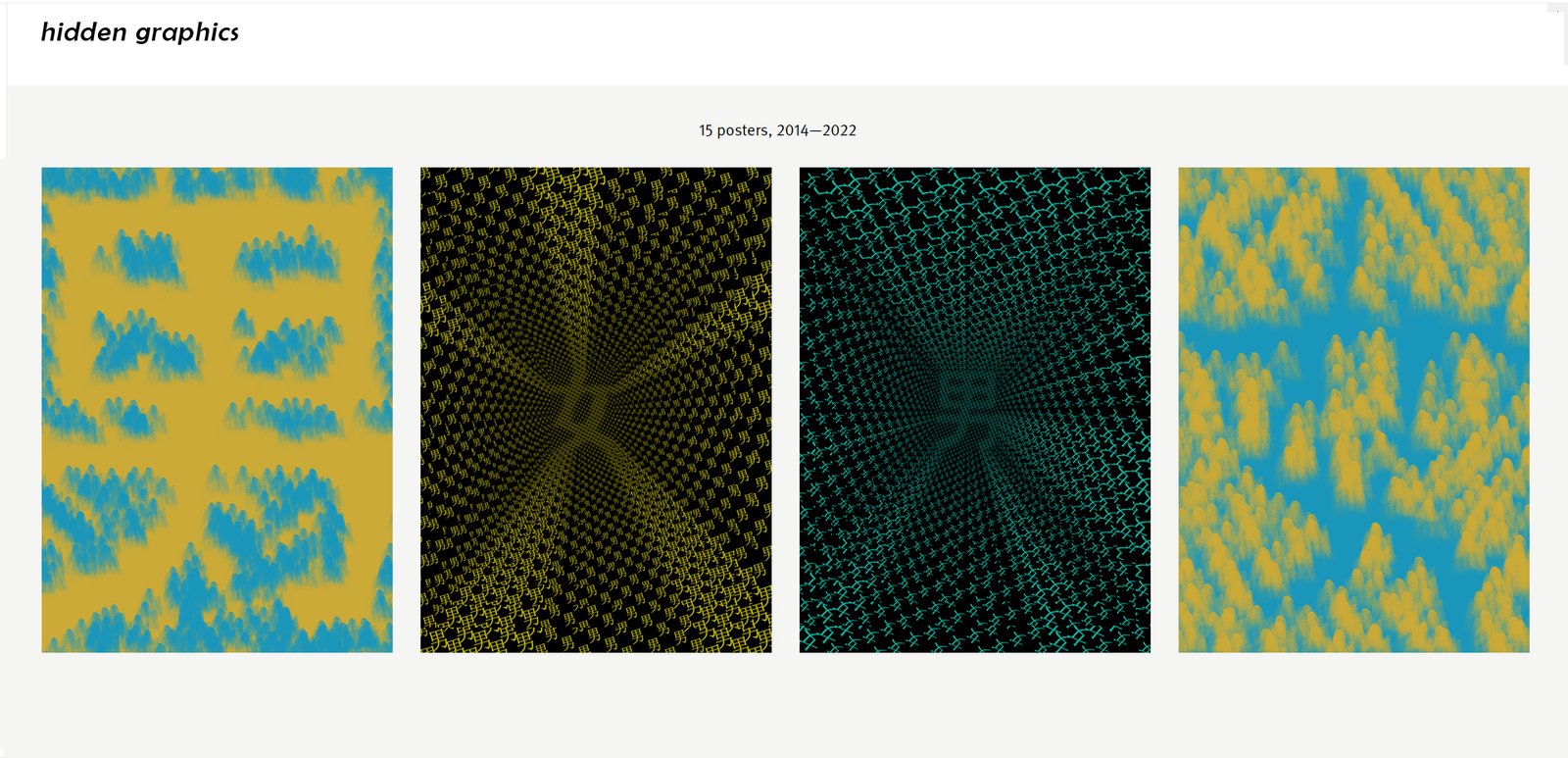
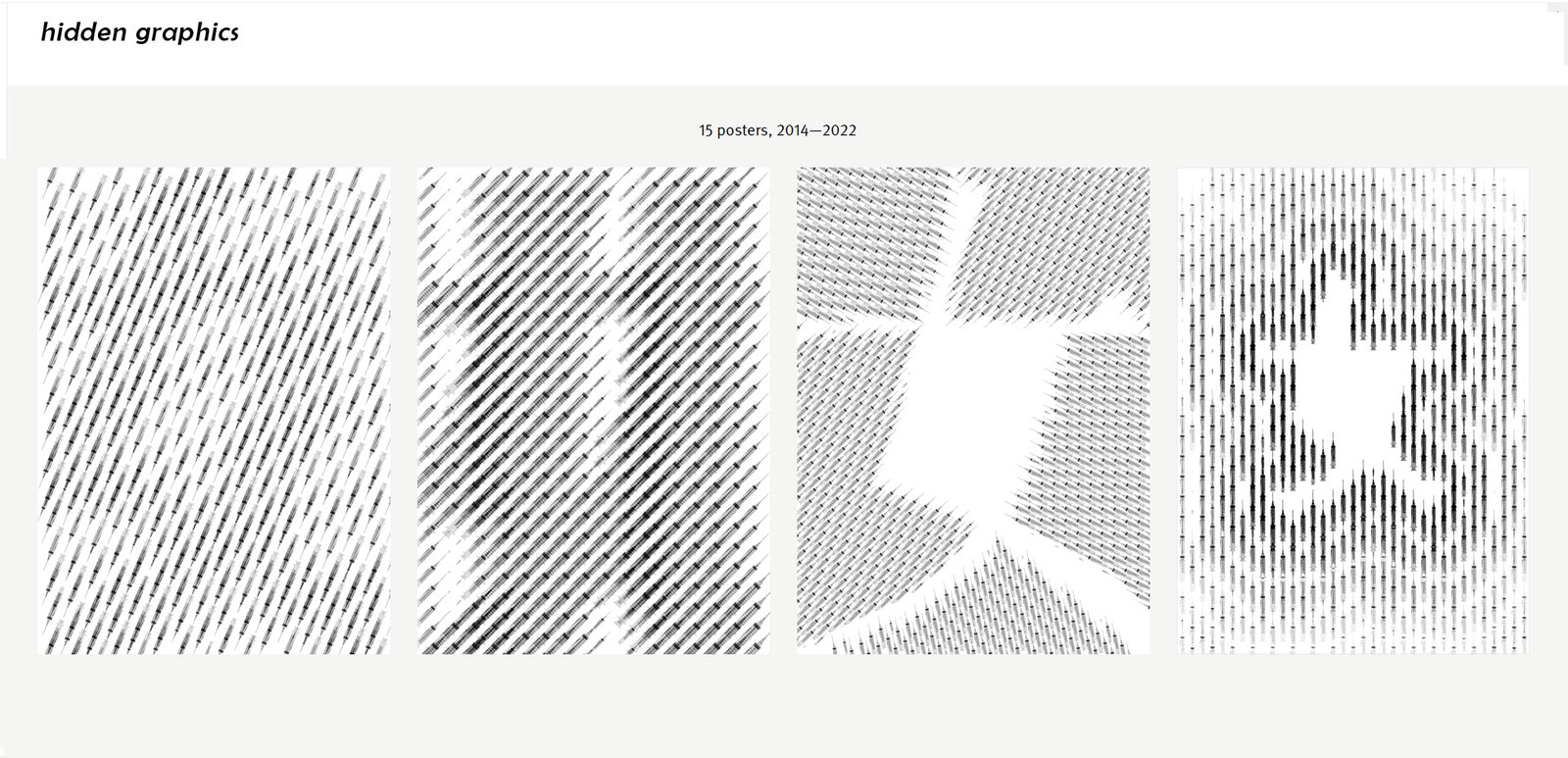
For a long time, Li Xu: Hidden Graphics has been dedicated to exploring various possibilities of visual expression in graphics. During the research on two-dimensional graphics, Li Xu discovered a unique visual phenomenon called “hidden graphics.” In 2D design, Li Xu created hidden graphics by manipulating the density, size, direction, position, and shading of basic graphic units. Through the arrangement and transformation of dot matrices, as well as techniques like repetition, radial distribution, and spatial organization, the works achieved a sense of visual rhythm and motion. When viewed from different distances, the hidden graphics emerge or transform, stimulating the viewer’s imagination and curiosity. The “invisible” nature of hidden graphics challenges the viewer’s perception while providing a unique artistic pleasure in the discovery process, creating a profound and engaging visual experience.
Three-Dimensional — Space
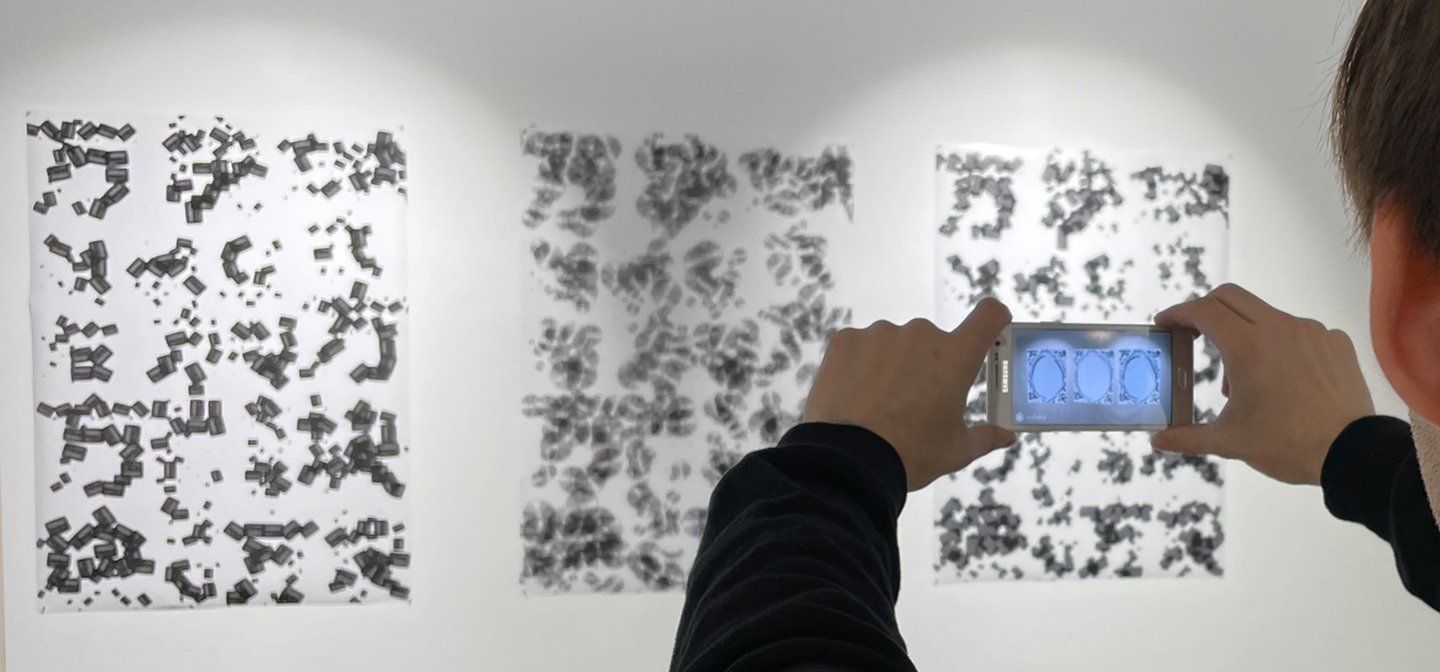
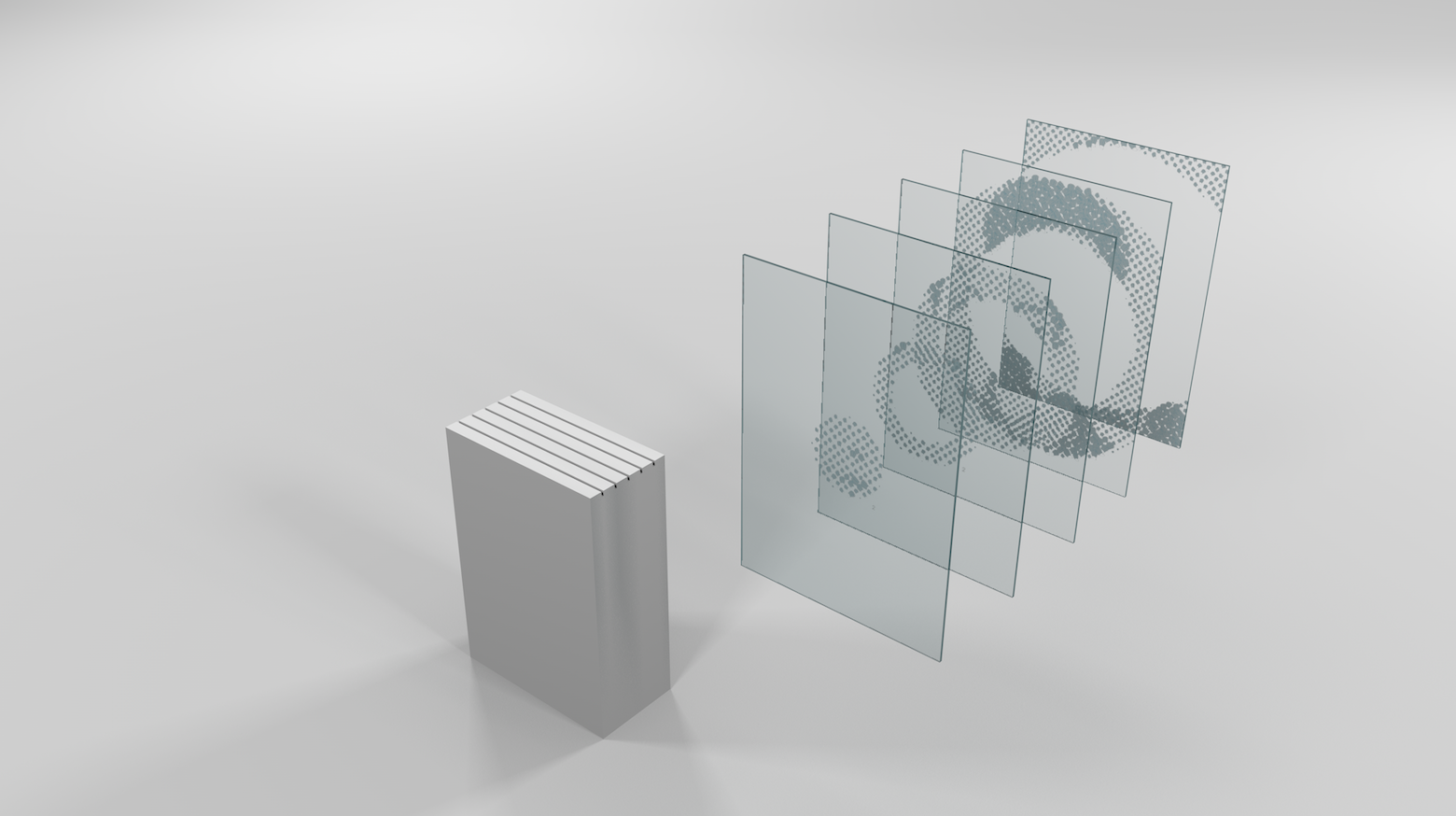
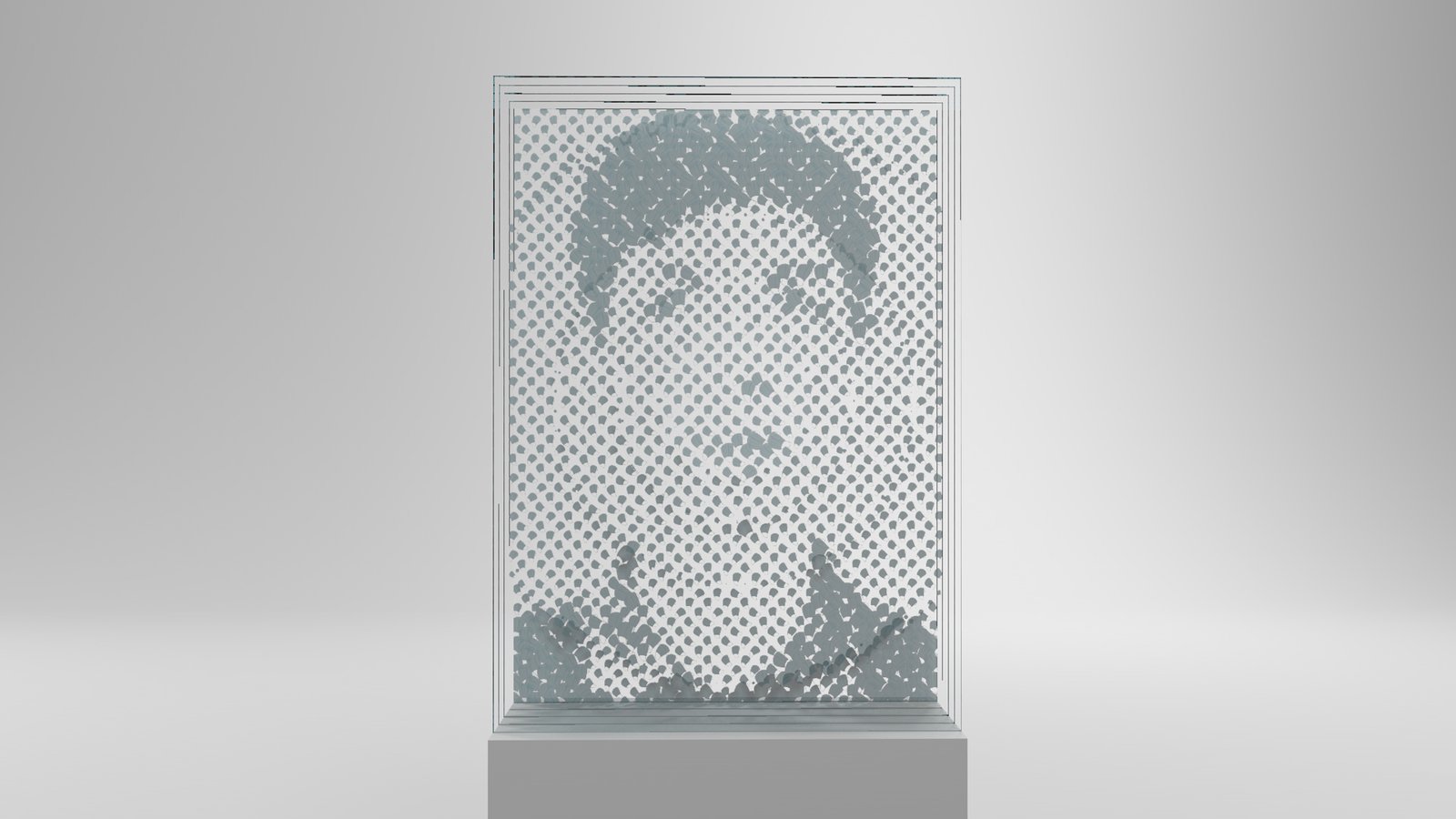
Building upon the foundation of 2D graphics, Li Xu further explored the spatial attributes of graphics by incorporating elements of length, width, and height to create hidden graphics with three-dimensional characteristics. Installation art became a key medium in this phase, allowing viewers to physically immerse themselves in the works. As viewers walk through the space and observe from various angles, they uncover dynamic relationships within the hidden graphics. By blending materials, locations, and emotional elements, these spatial works transcend the boundaries of traditional graphic design, enhancing the artistic appeal of the visuals while inspiring reflections on tradition, reality, and the future. This approach expands viewers’ cognitive perspectives on hidden graphics and deepens the dialogue between the works and the audience.
Four-Dimensional — Time
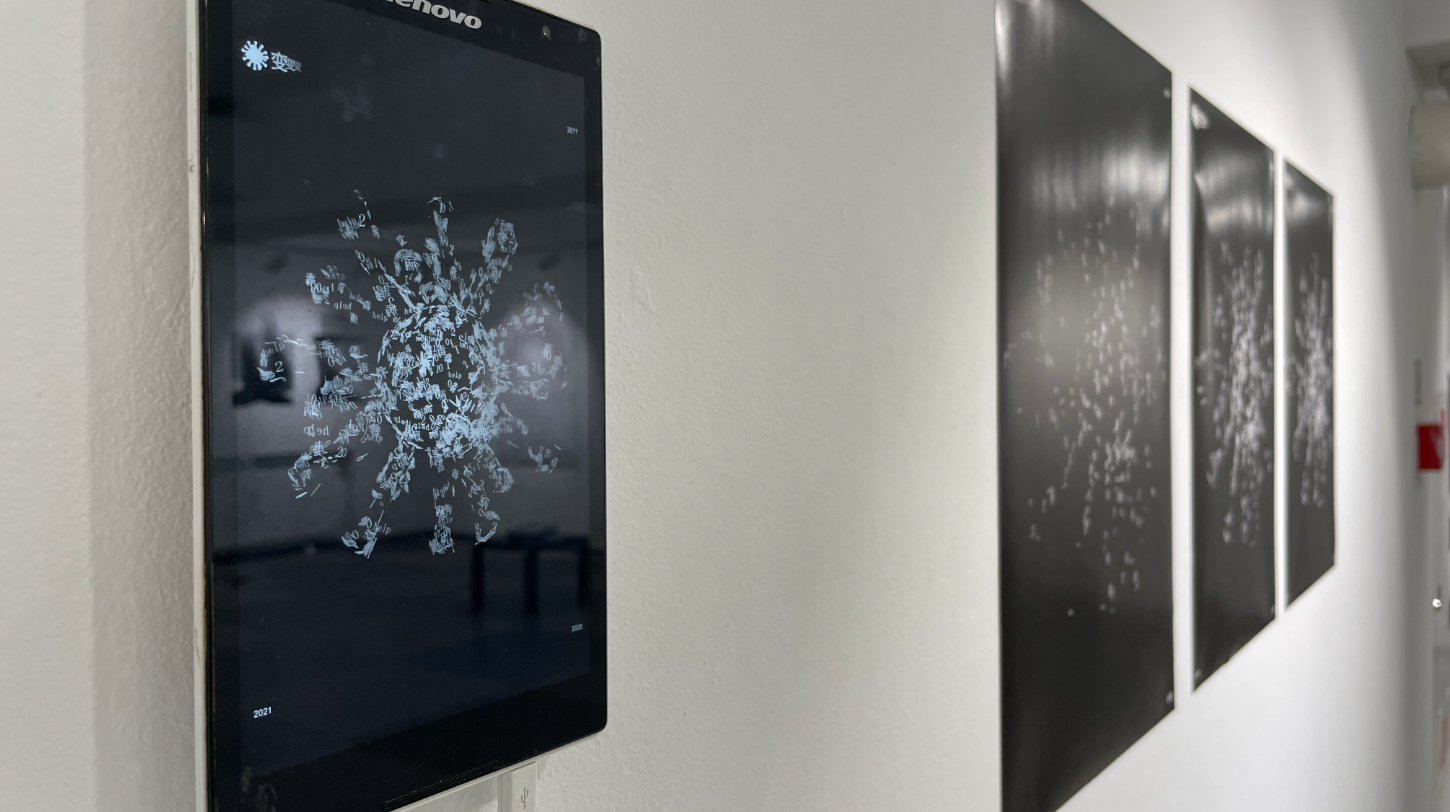
With the advancement of technology, Li Xu incorporated the dimension of time into hidden graphics, extending them from static representations to dynamic and interactive expressions. In dynamic designs, the sequential presentation of information allows viewers to gradually discover hidden graphics, stimulating their imagination and enriching their visual experiences. Interactive designs take this further by breaking the limitations of passive information reception, enabling viewers to actively participate in the creation of hidden graphics, even becoming co-creators. The combination of dynamic and interactive technologies interweaves hidden graphics across real and virtual spaces, creating unique spatiotemporal expressions. By exploring the potential of hidden graphics in time and space, Li Xu has successfully crafted a new visual language, offering viewers deeper cognitive engagement and artistic inspiration.