3D Printing and Computational Design Driving Innovation in Chinese Character Creative Design and Cultural Evolution
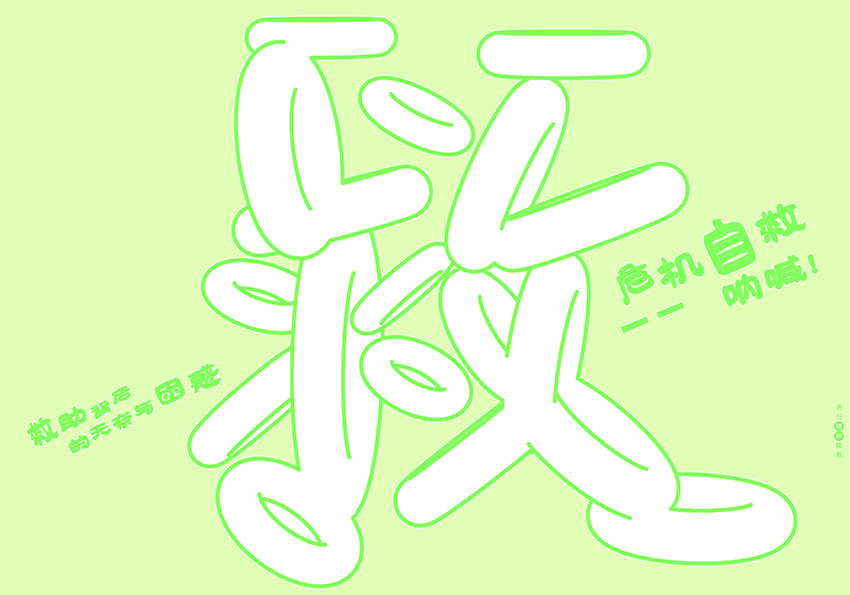
Against the backdrop of the rapid development of computational design and generative manufacturing technologies, my research focuses on exploring how digital technologies can break through the limitations of traditional flat design and promote innovation in Chinese character creative design. I specialize in using techniques such as parametric modeling, 3D modeling, and 3D printing to explore how to transform traditional Chinese characters from two-dimensional graphics into three-dimensional artistic works with dynamic expressiveness and spatial depth, thereby expanding the boundaries of cultural expression of Chinese characters.
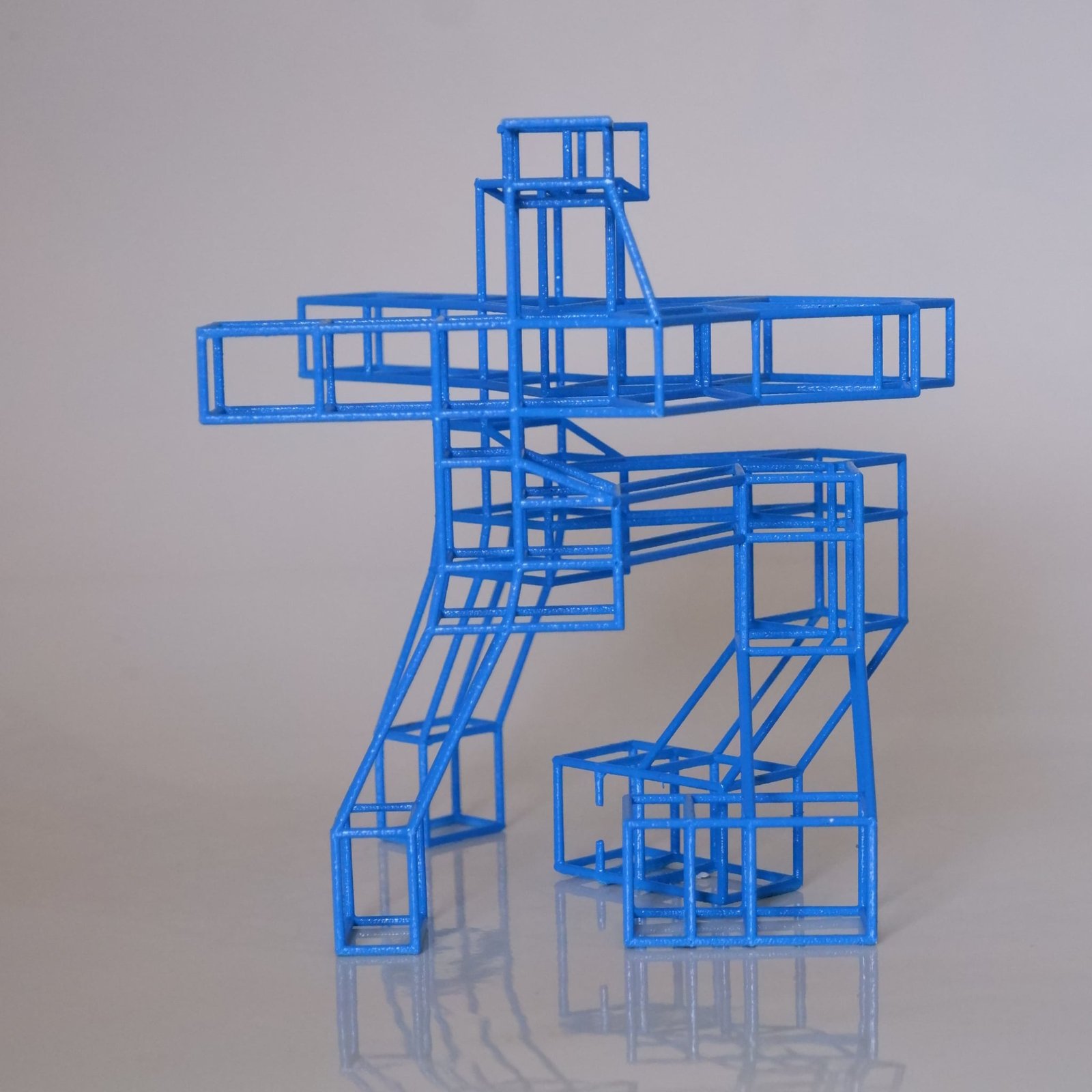
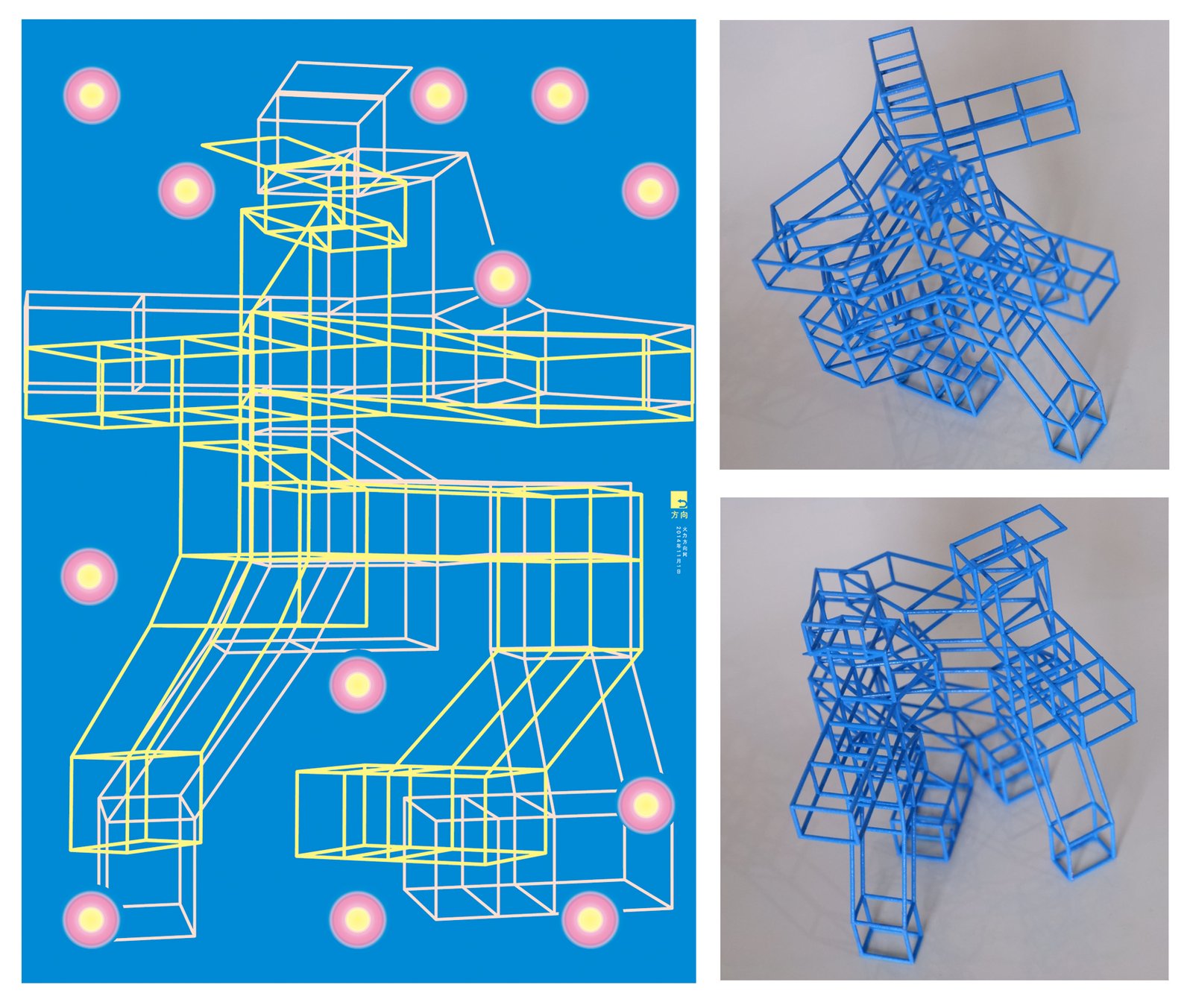
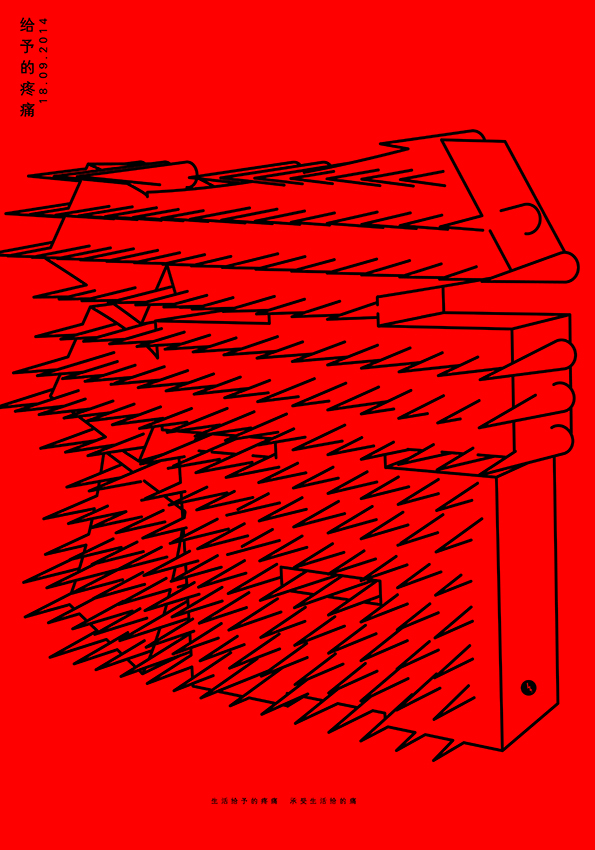
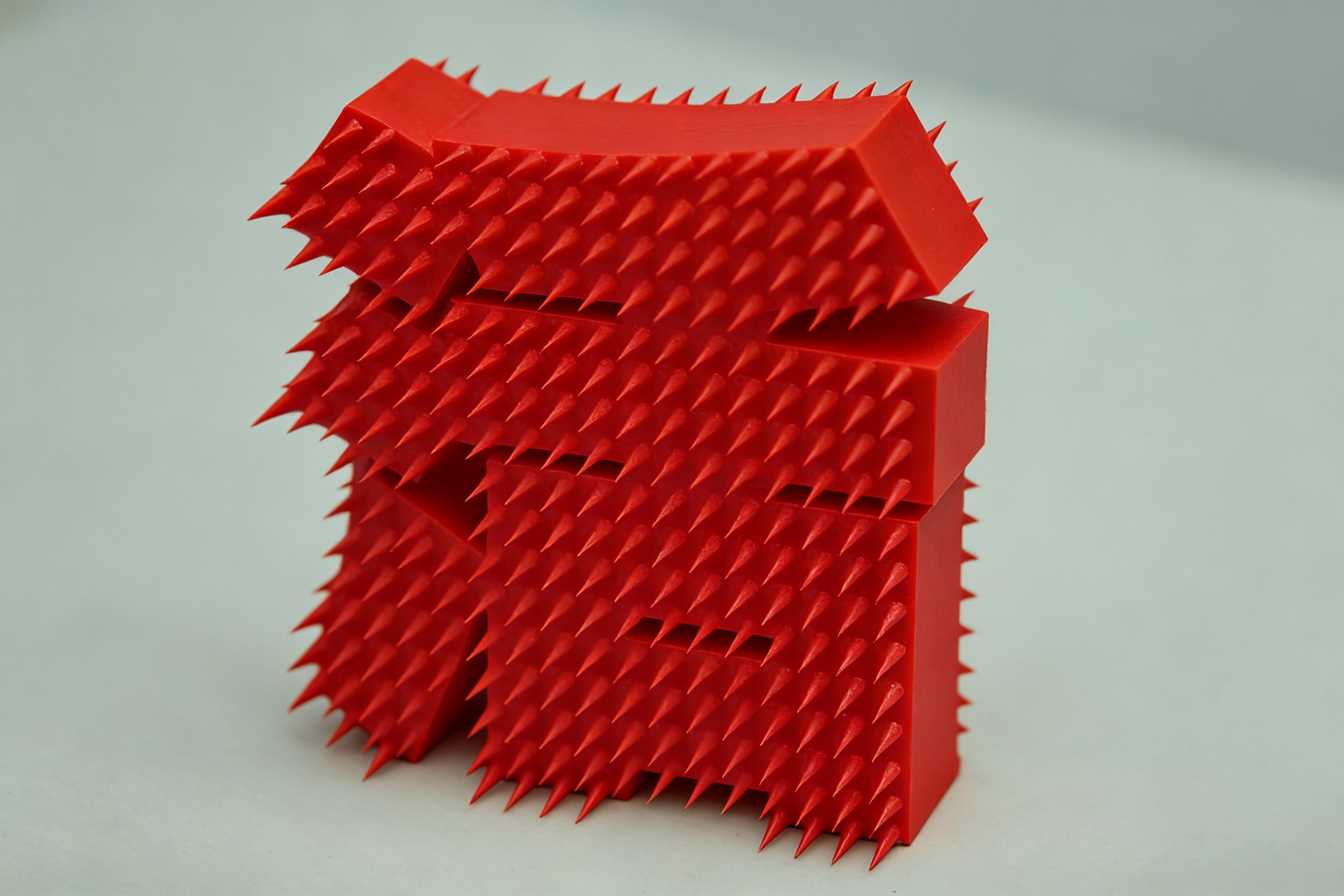
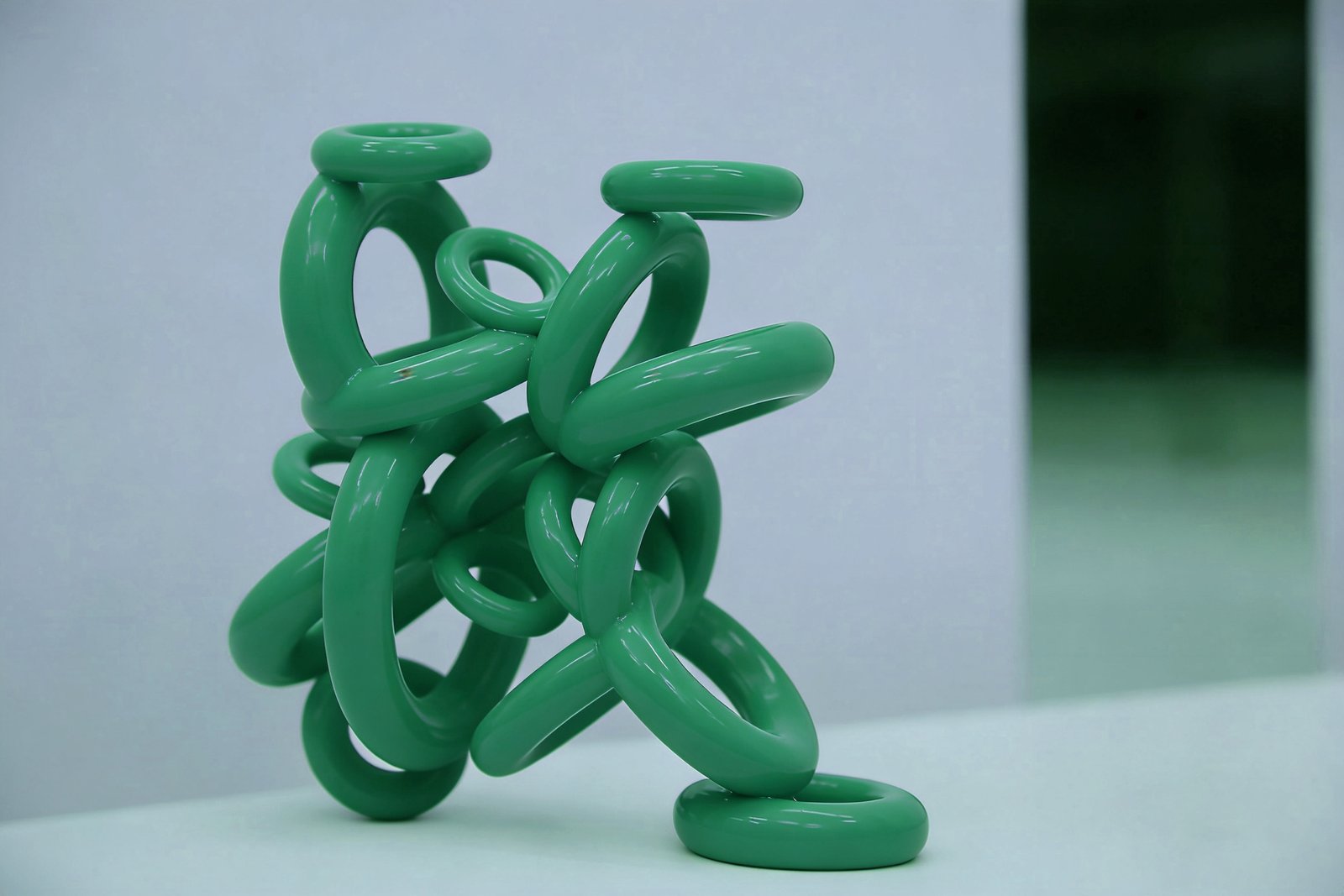
My research starts with two-dimensional design and utilizes parametric modeling and 3D modeling techniques to transform Chinese characters into three-dimensional forms, exploring their expressiveness and interactivity in space. With the rise of 3D printing technology, in 2014 I applied for the Beijing Institute of Graphic Communication Talents Program—Research on the Application of 3D Printing in the Creative Design Industry.” Through this project, I further advanced the process of transforming digital design works into physical objects, breaking down the boundary between the virtual and the real. The core question I aim to address is how to use computational design and generative manufacturing technologies to endow Chinese characters with new spatial expressiveness and cultural communication forms, thus promoting their innovative application in artistic creation and cultural heritage.
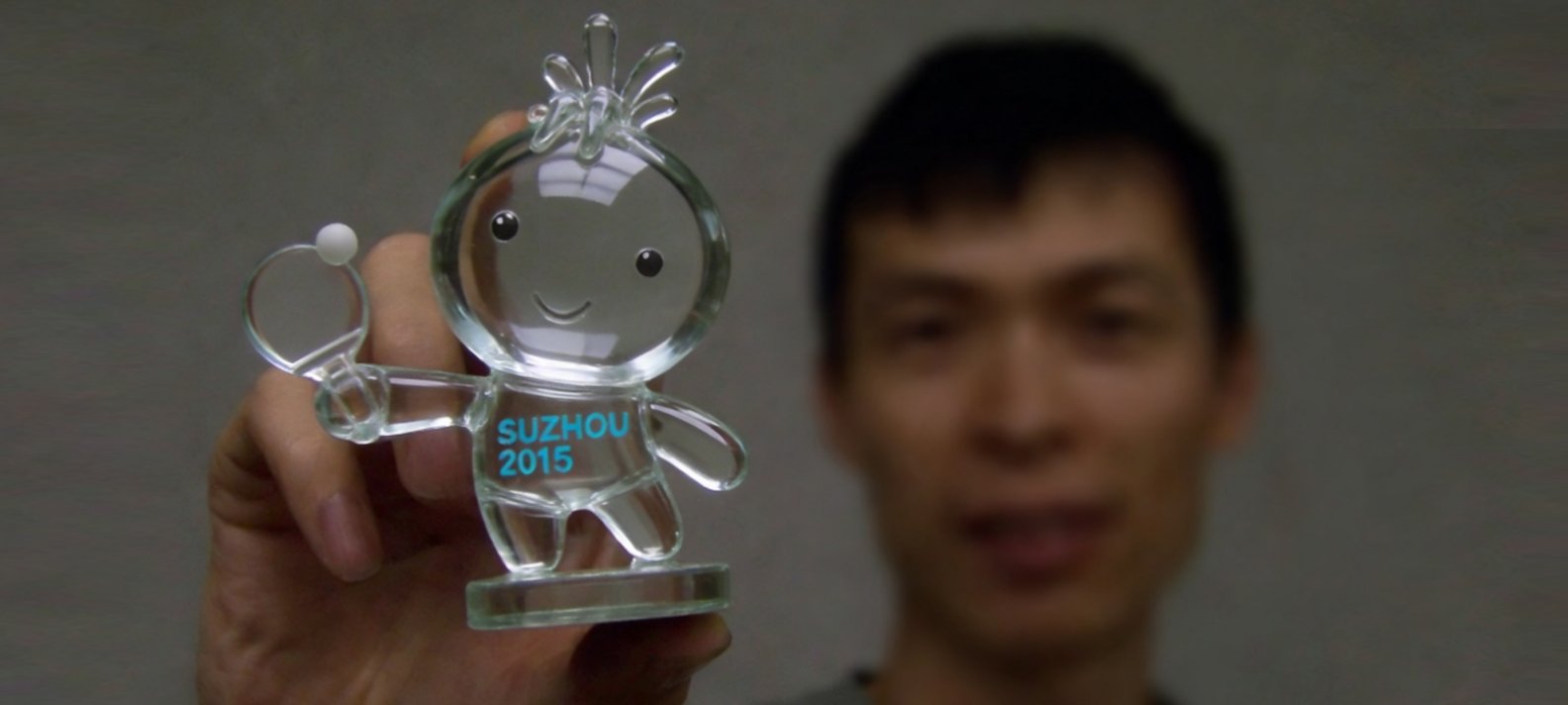
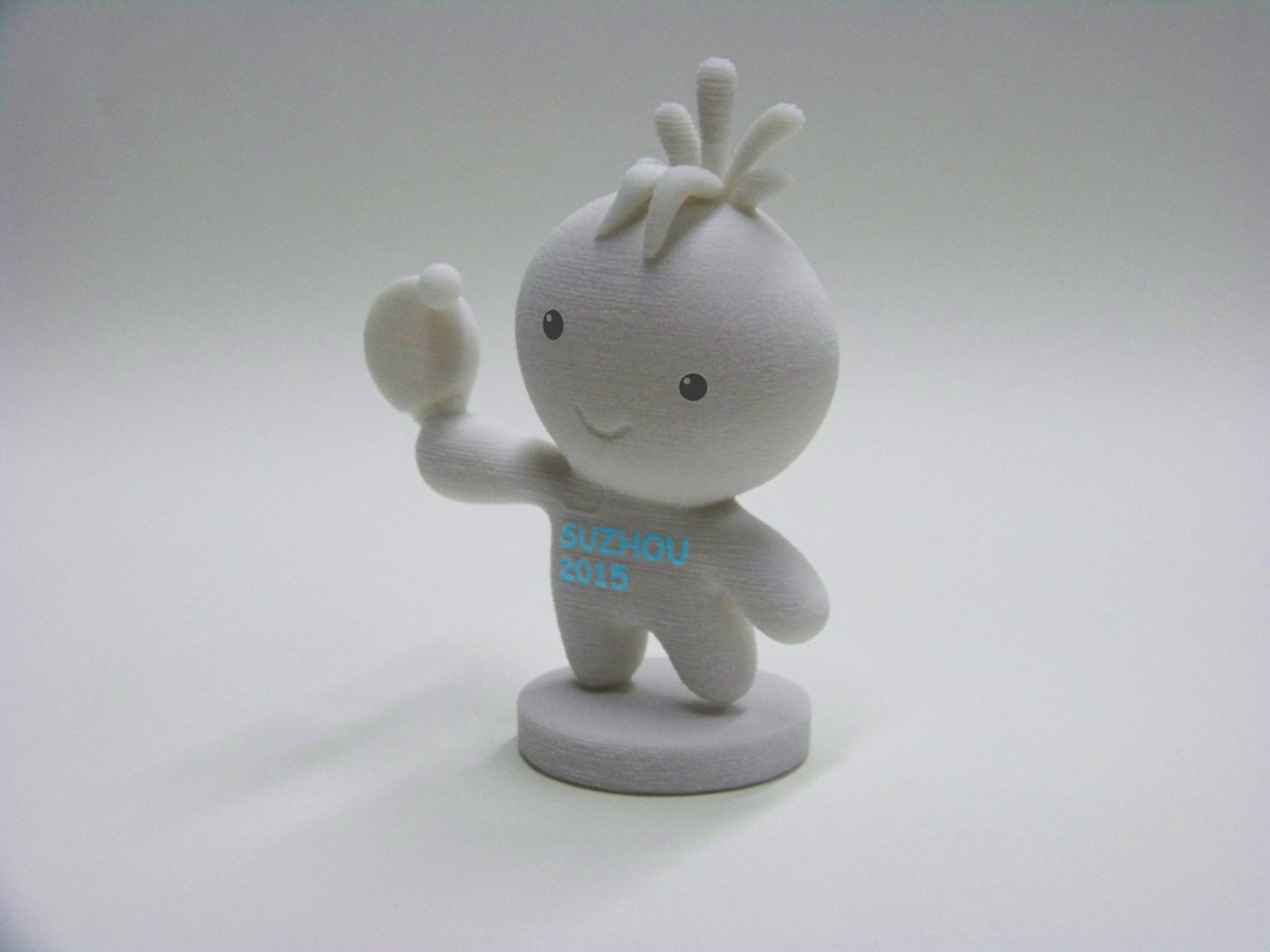
In practical applications, I have led several creative design projects. For example, I designed the 3D model of the mascot “PingPing” for the 53rd World Table Tennis Championship and won second place. This design successfully broke through the limitations of traditional flat design, combining 3D design, Chinese character elements, and sports culture. Additionally, I designed and launched the “typeAR” children’s Chinese character learning app. This platform combines augmented reality (AR) technology with Chinese character font art, creating virtual Chinese characters in three-dimensional artistic forms. Through the use of 3D and AR technologies, children can gain a more three-dimensional and comprehensive understanding of Chinese character structures and shapes, creating a new way of learning. The platform not only enhances children’s understanding of Chinese character forms but also provides an interactive learning experience, helping them to more vividly and profoundly learn about the construction of Chinese characters and their cultural connotations.
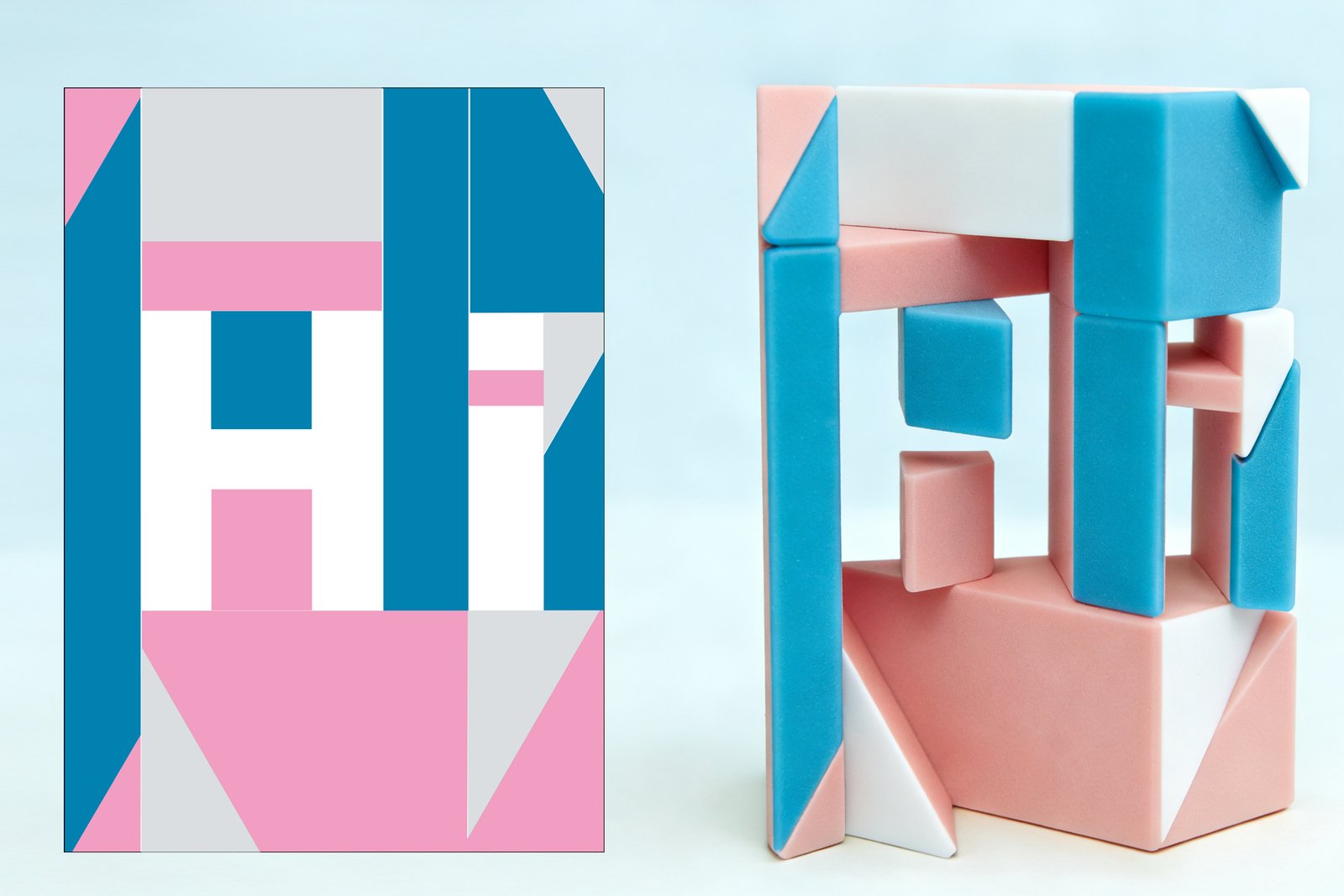
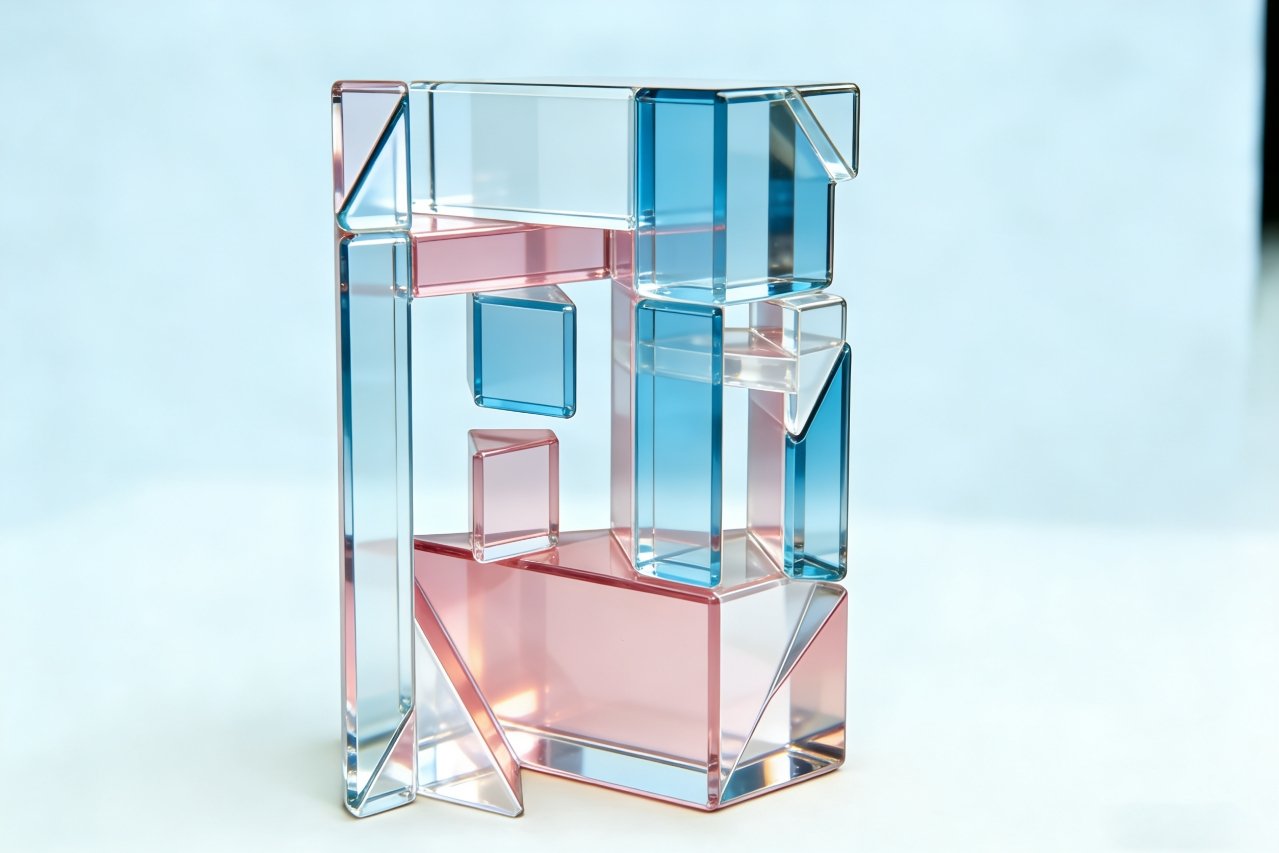
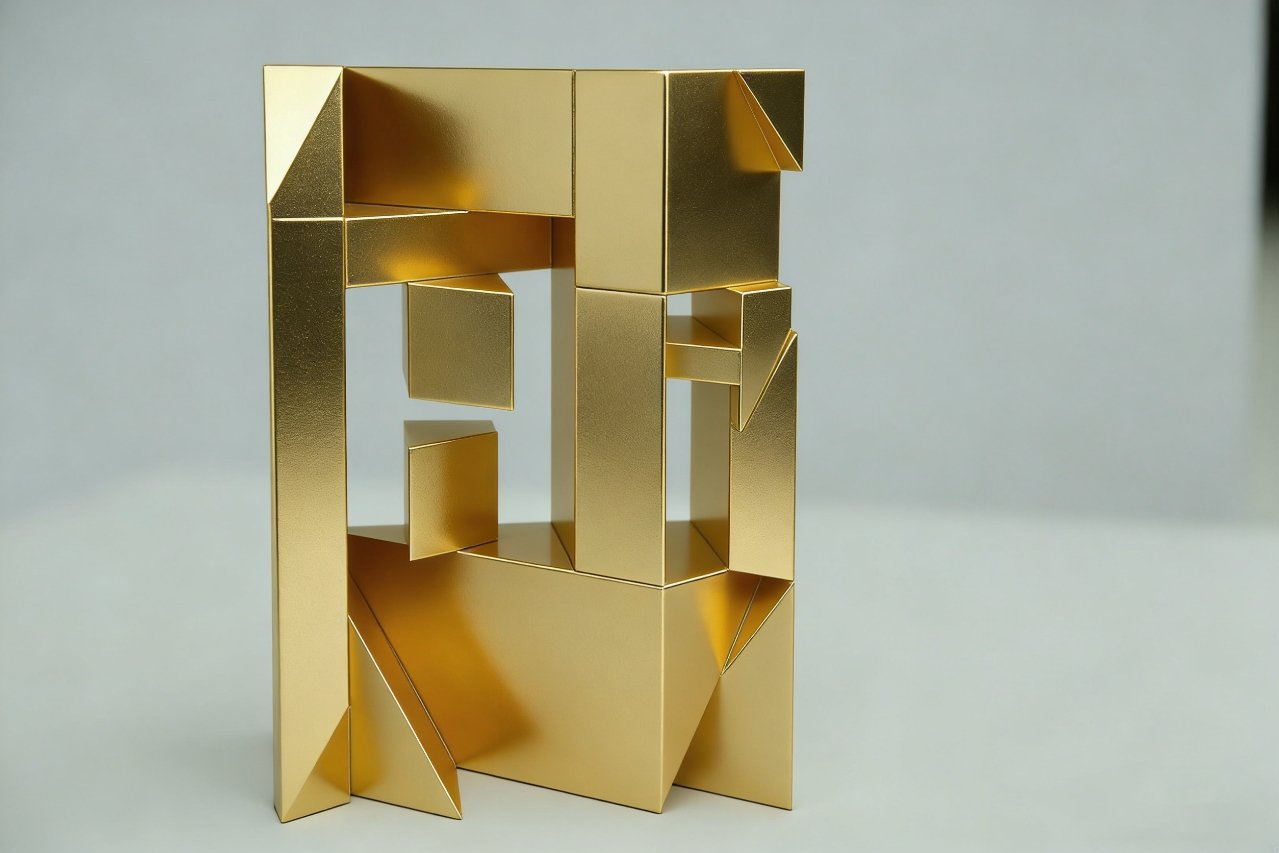
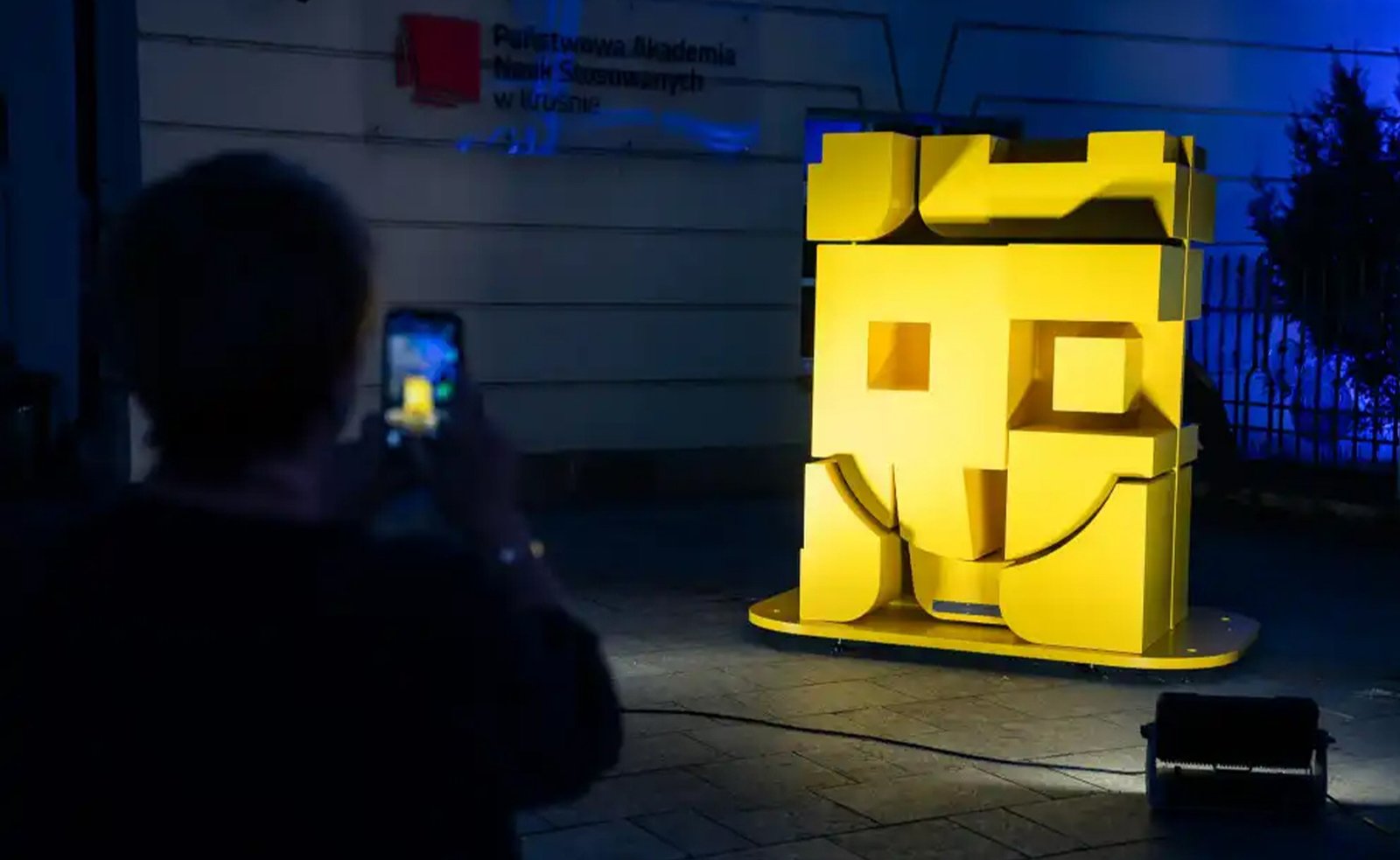
In terms of artistic creation, I held a solo exhibition titled “Character Construction·Transformation—The New Life of Chinese Characters in Computational Design and 3D Space,” showcasing the practical outcomes of transforming Chinese character creativity into artworks through 3D printing technology. The exhibition was successfully held in Adelaide, Australia, and Beijing, China, displaying the new forms of Chinese characters in three-dimensional space and breaking the traditional visual limits, sparking reflections on the dynamic expression of Chinese characters. Additionally, I developed the 3D model of the “Smiling Character” into a sculpture and successfully exhibited it as part of the public art landscape in Krosno, Poland. This work combines Chinese character art with public art, reflecting the dynamic expression and spatial poetics of Chinese characters, and has been widely praised by the public.
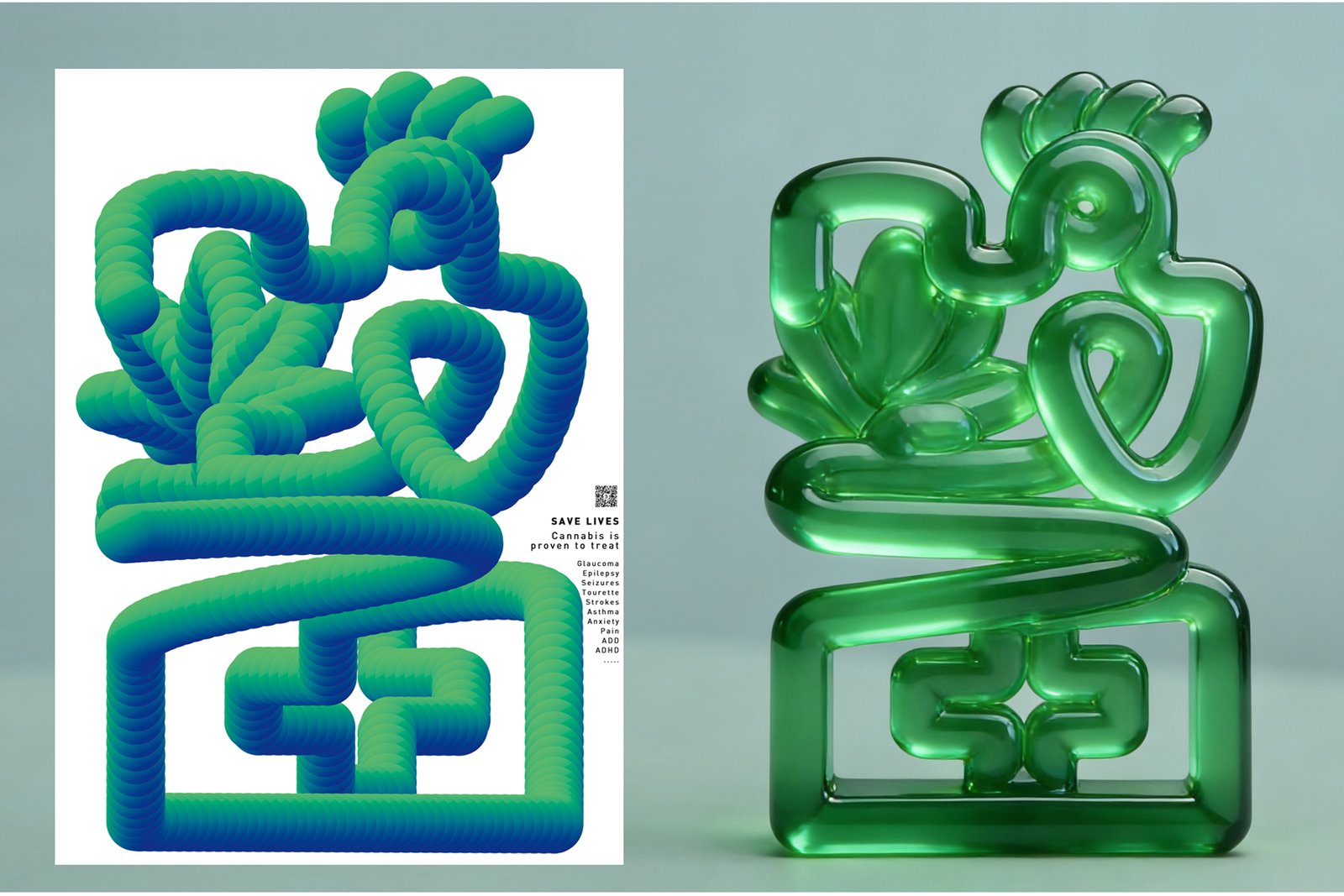
In academic research, I have published several papers in design journals and the Journal of Beijing Printing Institute—”The Application of 3D Printing in Creative Design” and “The Application of 3D Printing in Chinese Character Creative Design Practice.” as well as “The Application of Chinese Character Design in Cross-Cultural Communication: Exploring Visual Transformation Based on 3D Technolog,These papers explore the innovative applications of 3D printing technology in creative design, particularly its unique value in Chinese character creative design. I also systematically analyzed how 3D printing technology breaks through the limitations of traditional design, promoting the transformation of Chinese characters from flat design into three-dimensional space. Furthermore, I published the book “Creative Chinese Characters and 3D Printing” in 2016, which systematically summarizes my research achievements in Chinese character creative design and the application of 3D printing. The book provides detailed insights into how Chinese character design can be integrated with 3D printing technology, from theory to practice, showcasing the innovative expression of Chinese character art in the digital age. It has significant academic and practical value.
I continue to explore how to break the limitations of two-dimensional design through computational design and generative manufacturing, particularly 3D printing technology, endowing Chinese characters with new spatial expressiveness and dynamic qualities. At the same time, I am dedicated to studying how digital technologies can promote the innovation and transmission of cultural symbols, offering new ideas and solutions for contemporary design practices. Through these research and creative projects, I aim to solve a core question: How can 3D printing, along with computational design and generative manufacturing technologies, redefine the space and form of Chinese characters, and promote the innovative application of traditional cultural symbols in modern society? My goal is to enrich the cultural expression of Chinese characters through multi-dimensional space and dynamic expression, utilizing 3D printing technology, and provide innovative perspectives and methods for global design.